
Portico Magazine | Summer 2026
Foundations for the future
For 200 years, UCL’s campus has been the setting where lifelong friendships have been forged, groundbreaking discoveries made and ideas developed that have gone on to shape the world. Now, with thoughtful refurbishments to some of our most historic and iconic spaces, the campus is ready to inspire the next generation and usher in a new chapter of UCL’s story.
UCL’s campus has been an iconic part of university life for two centuries. Over that time, it has continually evolved to meet the needs of our community and a changing world, while respecting the architectural heritage that defines it. The buildings and spaces at the heart of UCL have been adapted and renewed – sometimes through major transformations, sometimes through quieter improvements – to support new generations of students, staff and visitors.
The latest chapter in this evolution is the Bicentennial Physical Legacy Works programme. With key phases completed in February 2026, the programme has revitalised some of the most recognisable and historic spaces on our Bloomsbury campus to mark our 200th anniversary. These carefully considered refurbishments ensure critical campus spaces will continue to inspire and serve the UCL community for years to come.
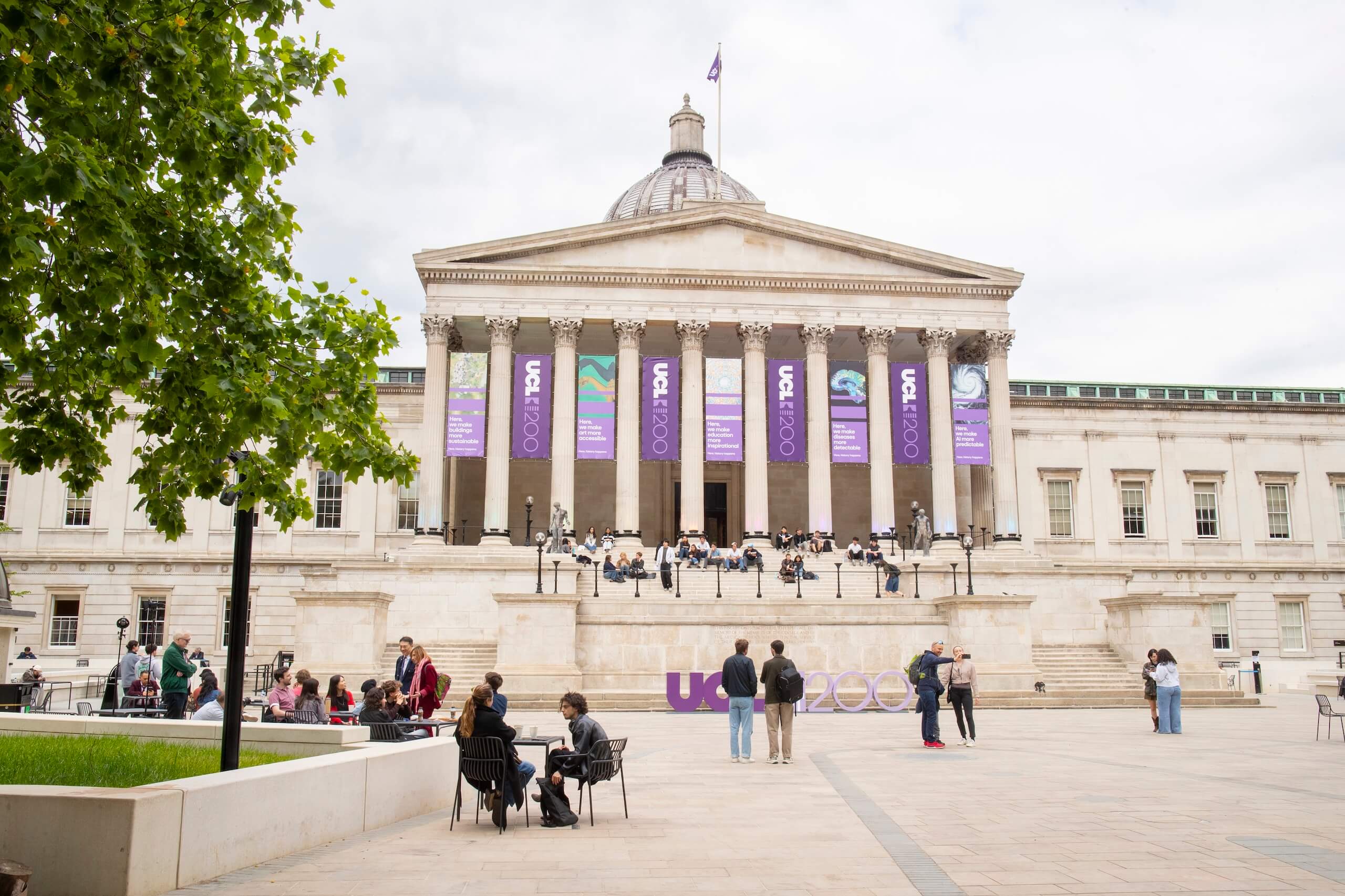
Main Quad makeover
The Main Quad is one of the spaces transformed as part of the Bicentennial Physical Legacy Works. For two centuries, it has stood at the heart of campus life, bringing together students, staff and visitors.
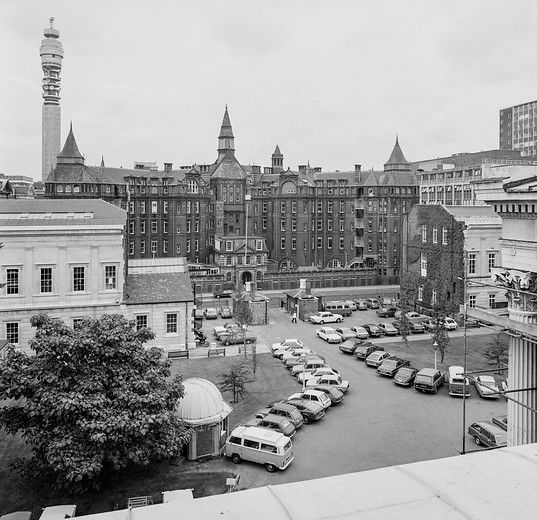 1980s
1980s
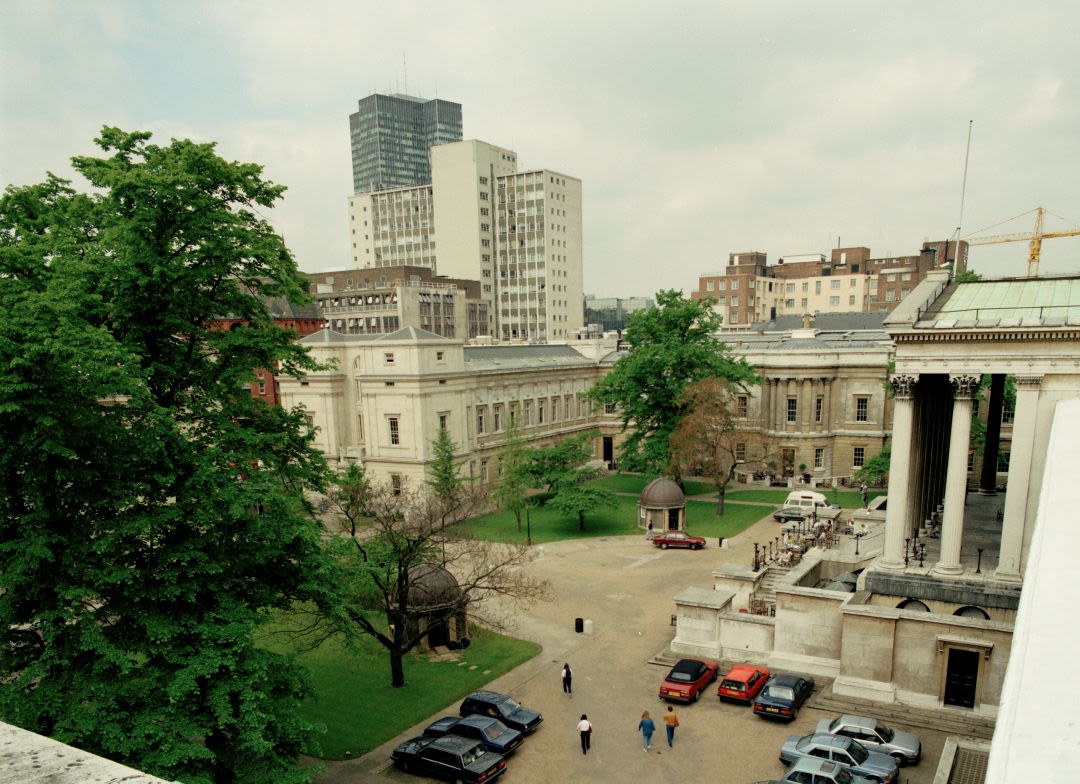 1991
1991
In recent years, however, the Main Quad’s full potential had become less visible. Its last major update came in 2006, and over time the space became increasingly dominated by hard landscaping designed to accommodate vehicle access. The redesign refocuses the Quad on the people who use it, creating a more pedestrian-friendly space while respecting its historic character.
With level access throughout, the redesign puts accessibility at the forefront, creating a welcoming gateway to UCL life which reflects the needs of everyone at UCL. Features such as a dog spend area and a tactile map with braille labels and a raised layout make the Quad more inclusive of the diverse needs of the UCL community.
New seating and lighting infrastructure mean the Quad is now equipped for everything from outdoor study and socialising to major events, bringing life to one of our most iconic spaces.
As well as being more welcoming for people, the new design is better for the planet, with newly planted native trees, hedgerows, wildflowers and pollinator-friendly installed to support urban ecology. Bug hotels, sand beds for ground-nesting bees, and porous paving will help create a thriving habitat for wildlife while strengthening climate resilience. Four new trees have also been planted.
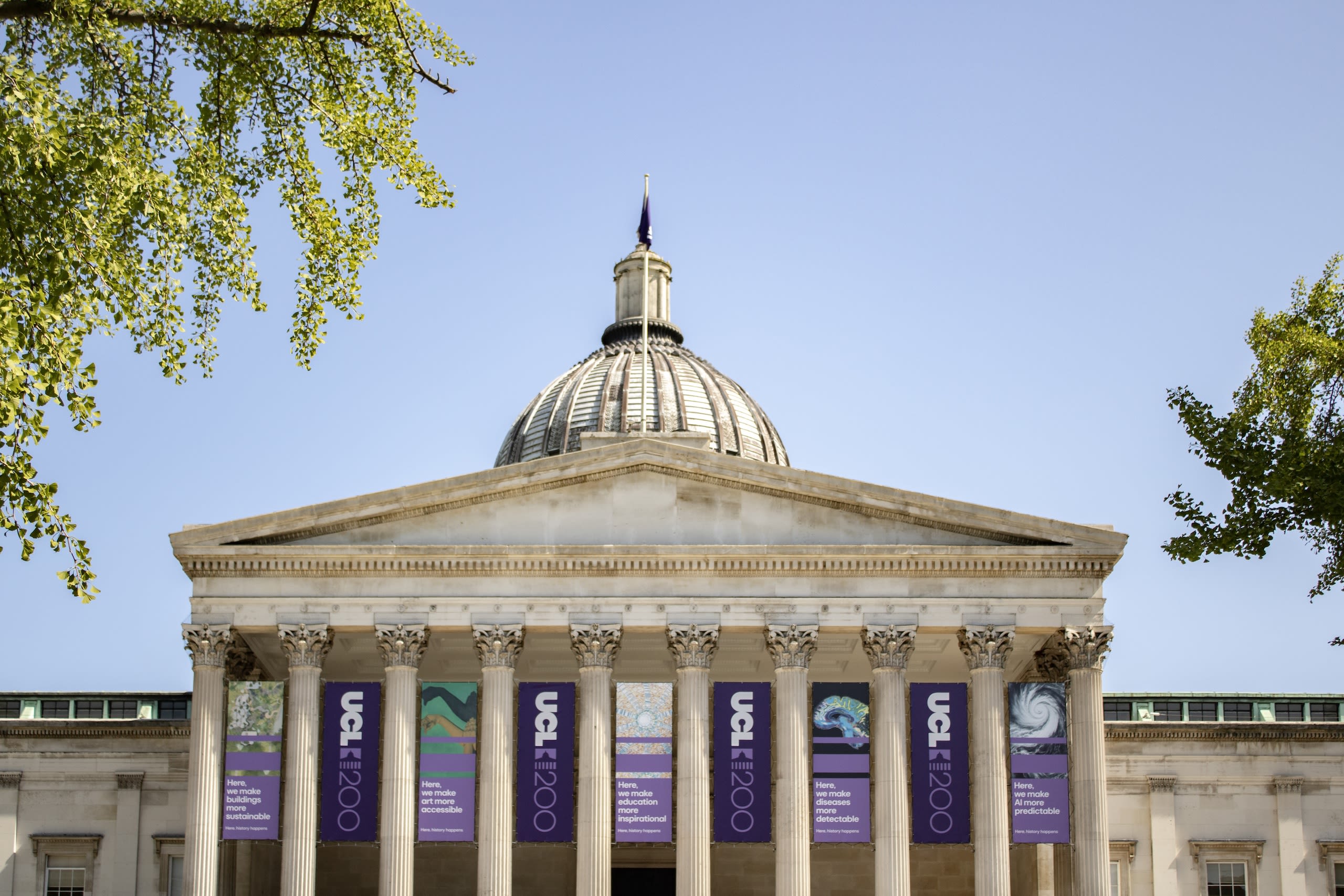
A new chapter for the Wilkins Building
The Wilkins Building, along with its iconic Corinthian portico, has received the same 21st-century treatment. The portico has been carefully cleaned, its columns now gleaming and rejuvenated – almost as if it were 1826 again. During the works, the statues atop the portico were temporarily removed and conserved by a team of specialists to stabilise their structure and preserve them for the future.
Moving inside the Wilkins Building, the ground-floor North and South Cloisters and adjacent areas have been transformed into four multi-use spaces. Previously underused and fragmented offices, these spaces have been reconfigured into a suite of interconnected flexible spaces, designed to support academic, community and student activity throughout the year, from conferences and exhibitions to performances.
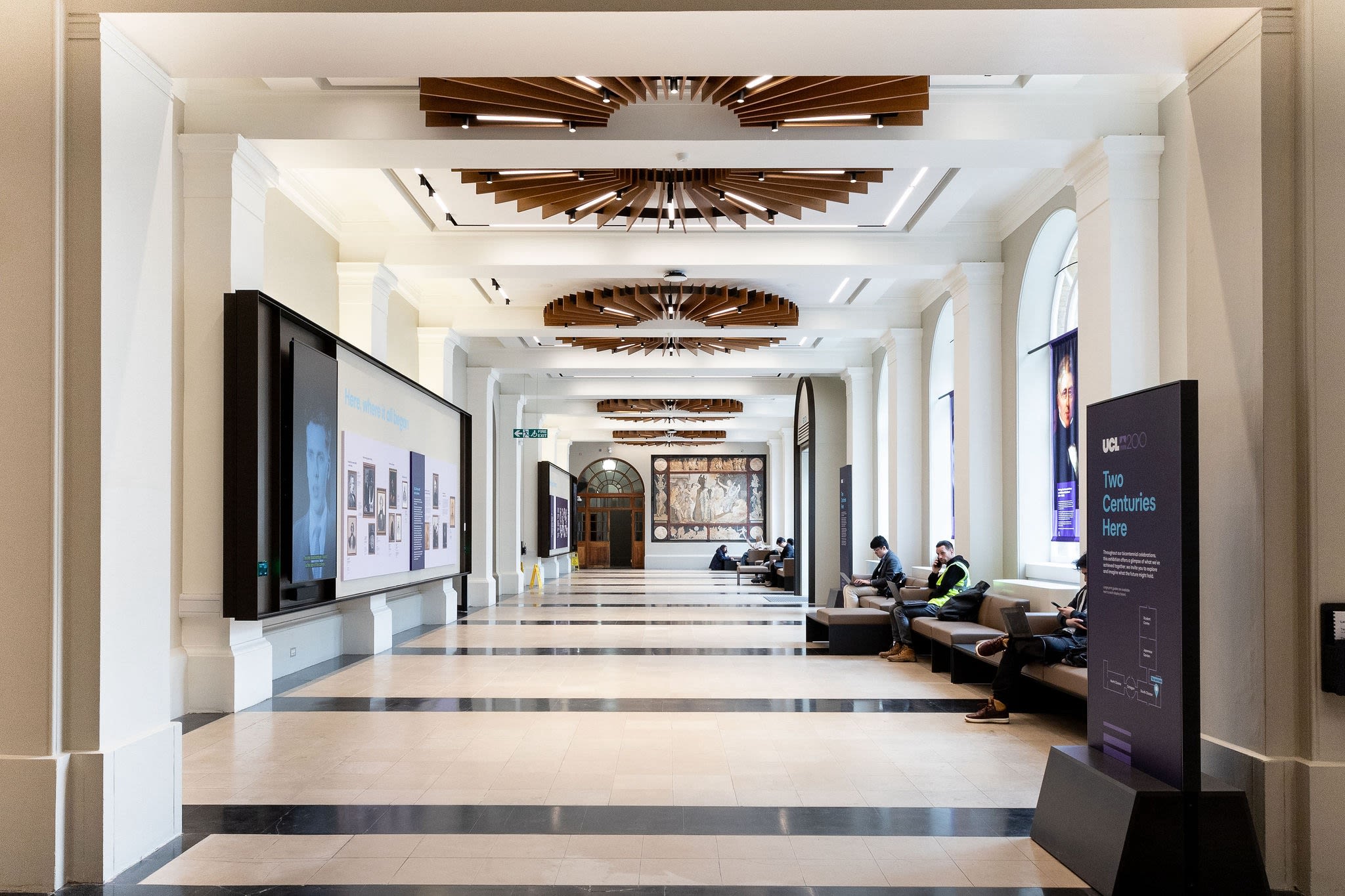
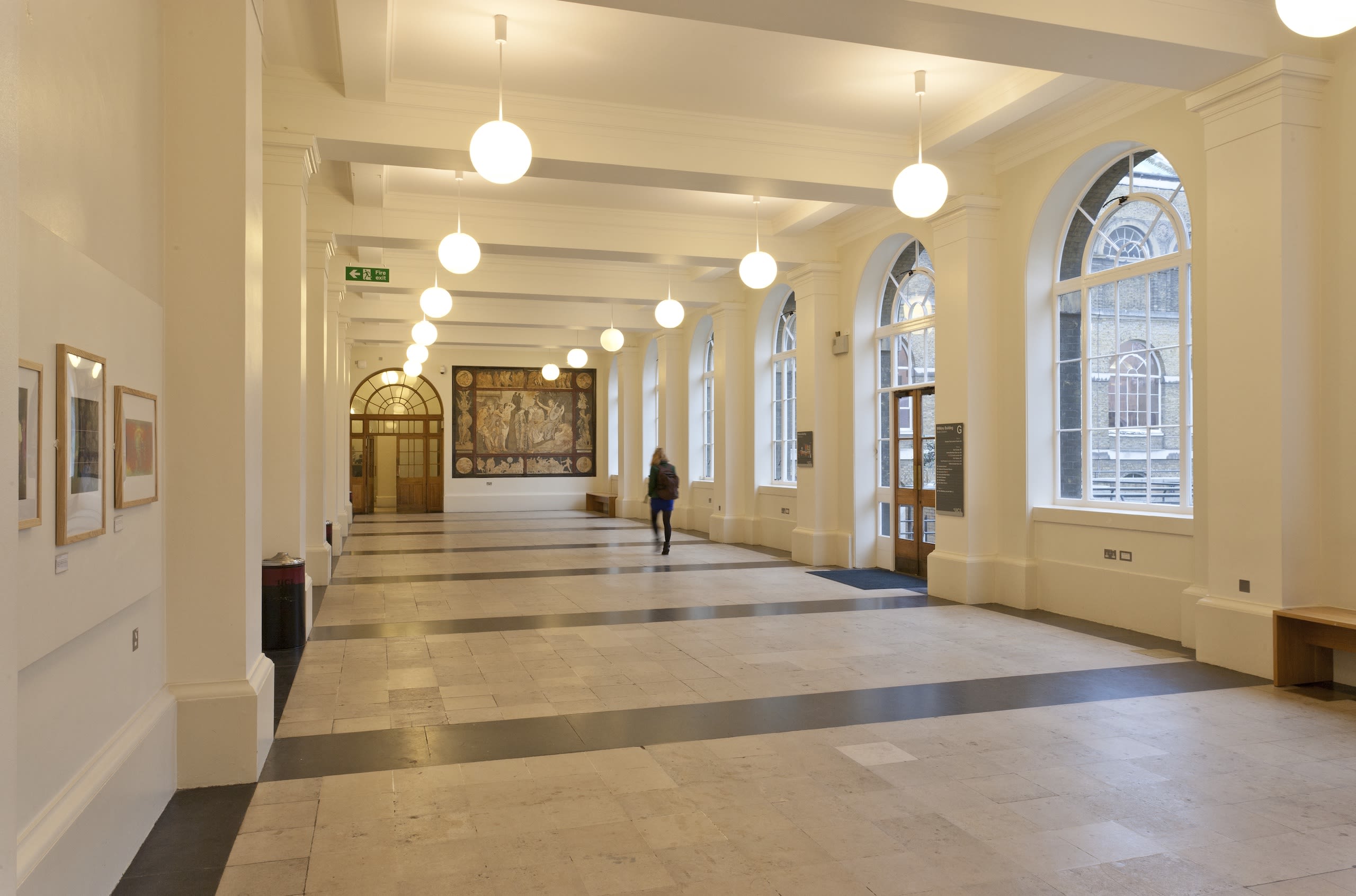
The spaces are currently hosting Two Centuries Here: The UCL200 exhibition. Running until July 2027, the exhibition explores UCL’s origins and 200 years of ground-breaking research, innovation, education and impact.
The Wilkins Building is also home to a number of new art installations. A permanent installation, Spolia Index was inspired by key moments in the university’s history, including text from our foundation stone and rubble left over from WWII bombing raids. UCL Eye, located in the North Cloister, harnesses AI and digital to transform UCL research and data into a striking, dynamic installation. Murals by Rex Whistler, an alumnus of the UCL Slade School of Fine Art, adorn the Jeremy Bentham Room, where they are now on permanent display for the first time.
The redevelopment has created an improved open space for the UCL community and visitors, with new access routes better linking the Library, the Jeremy Bentham Room and the Refectory. A new lift provides step free access and connects the Jeremy Bentham Room to the Refectory.
Sustainability has shaped the transformation, and reuse and restoration have been prioritised over replacement, from timber floors uncovered and restored after years beneath carpets to bricks carefully repurposed across the project.
The Bicentennial Physical Legacy Works have been supported, in part, through philanthropy, including from our alumni community.
Drs Bijal and Vakesh Rajani, who met at UCL while studying Medicine (MBBS), have donated in support of the project. In recognition of the couple’s generosity, one of the new spaces in the Wilkins Building has been named the Drs Bijal and Vakesh Rajani Room. Their gift helps ensure that future generations of students, and the wider UCL community, can make the most of our historic campus spaces.
The Yellow Room, one of the other new functional spaces
The Yellow Room, one of the other new functional spaces
Unveiling the transformation
After a year of works, the revamped Wilkins Building and Quad were unveiled in February 2026 at UCL Illuminated, heralding the start of our next century. The show transformed these spaces into a dazzling son et lumière experience, transporting staff, students, alumni and members of the public back to London in 1826 – the year UCL was founded – and on a journey through 200 years of history.
A new look for Gordon Street
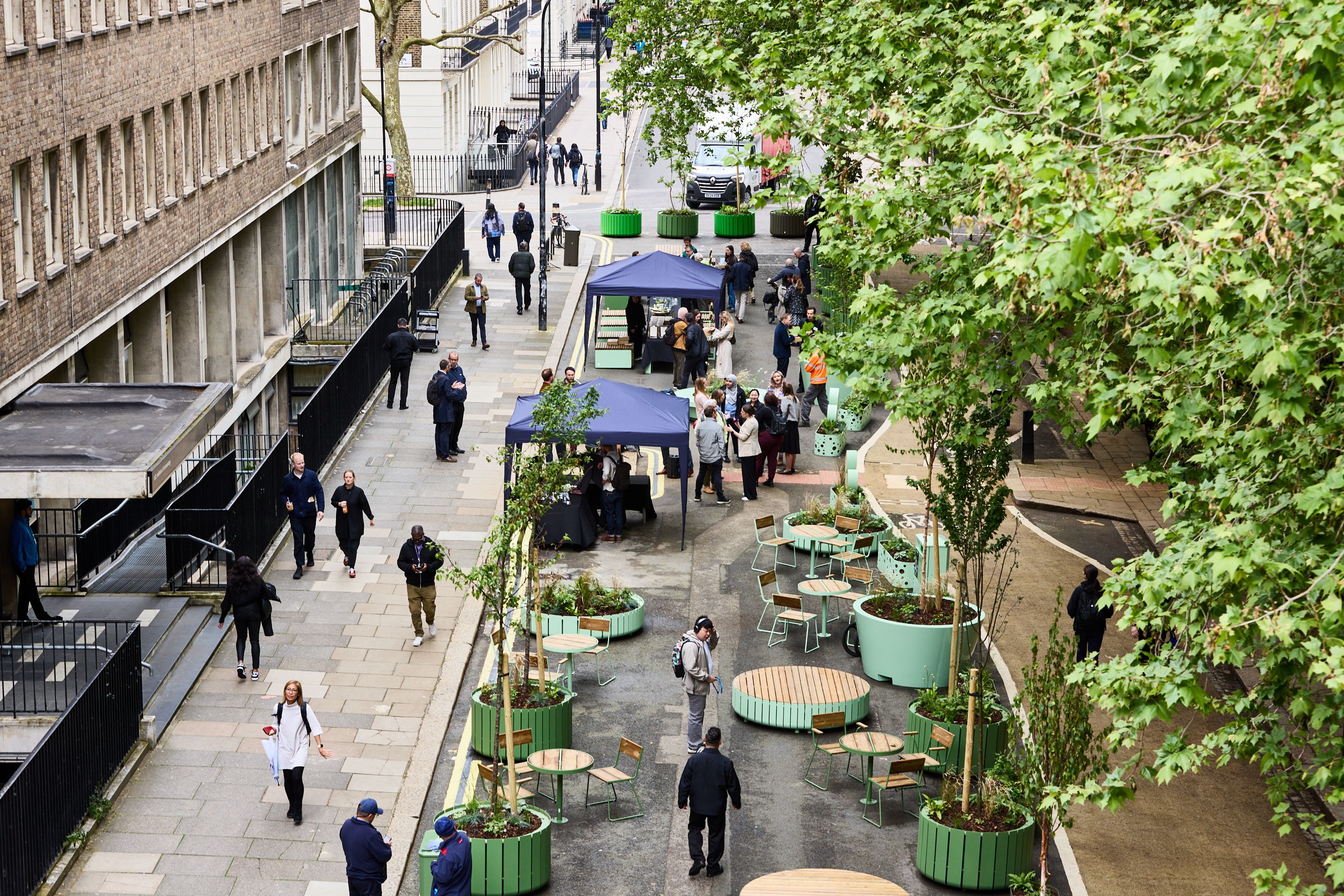
The third and final strand of the Bicentennial Physical Legacy Works focuses on improvements to Gordon Street.
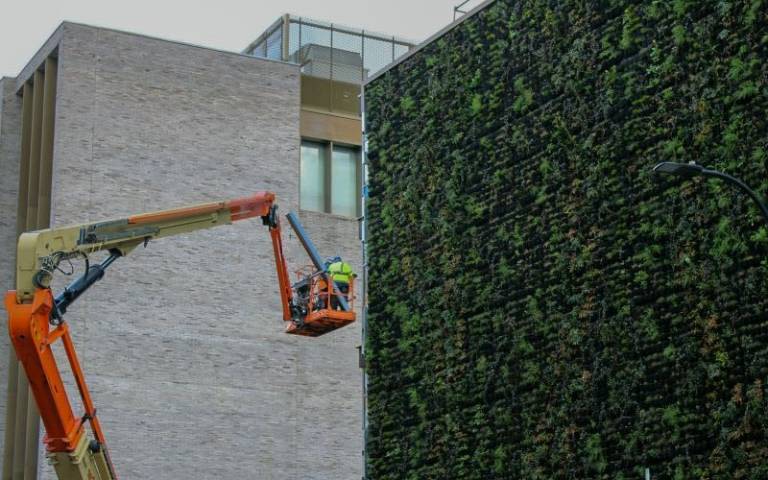
Key changes include a green wall installed on the Christopher Ingold Building, featuring native plant species designed to help collect rainwater and reduce surface water runoff, while enhancing greening and biodiversity across campus. The wall also acts as a living research space, enabling UCL staff and students to explore real world climate challenges. Developed in collaboration with academic experts from The Bartlett Faculty of the Built Environment, the green wall hosts integrated sensors for teaching and research through the UCL Living Lab programme.
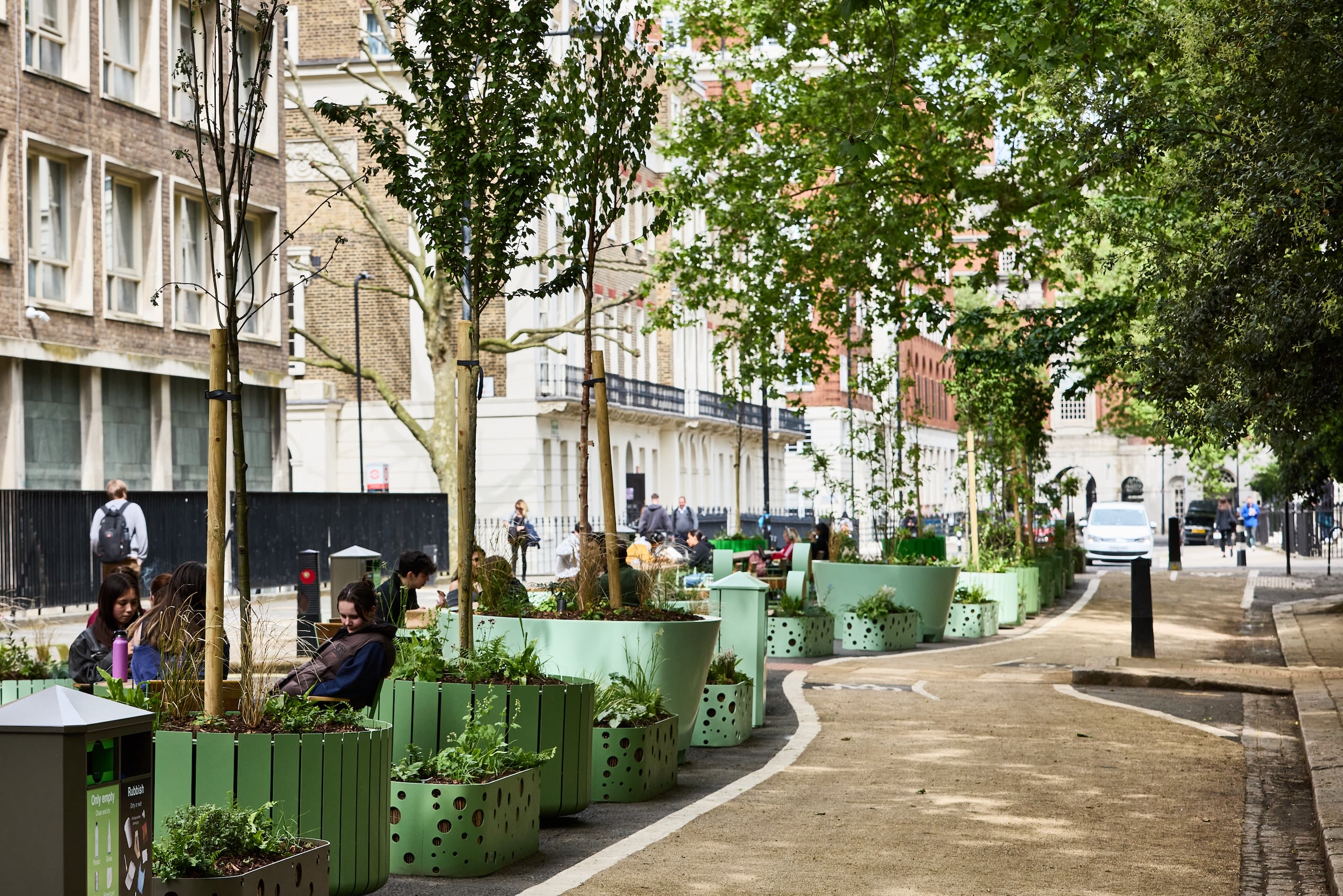
In parallel with these works, Camden Council and UCL have been working in partnership to trial the pedestrianisation of Gordon Street. The 18-month trial, which began in February 2026, restricts through-traffic, improves pedestrian safety and creates more shared outdoor space for students, residents and visitors.
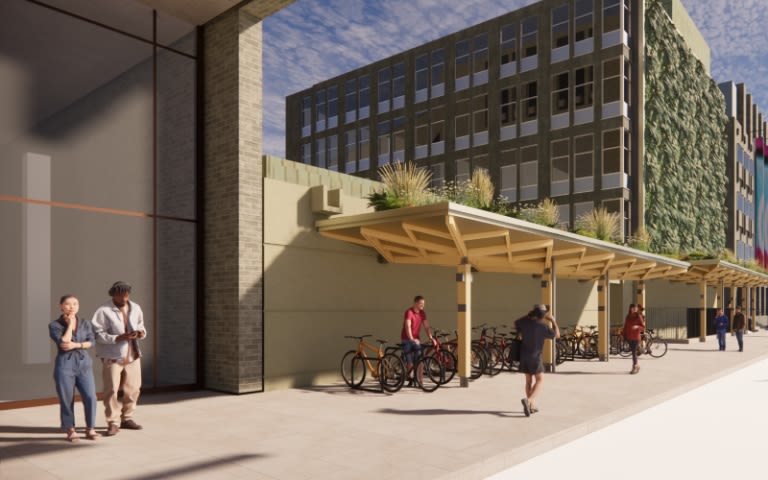
This development follows the 2024 transformation of the northside of Gordon Square into a vibrant pedestrian space, which has created a slice of tranquillity in the heart of Bloomsbury for the community to enjoy.
Then & Now:
A campus through time
These recent transformations are part of a longer story of change across UCL’s estate, stretching back decades. From Bloomsbury to east London, how many of these developments do you recognise?
UCL East
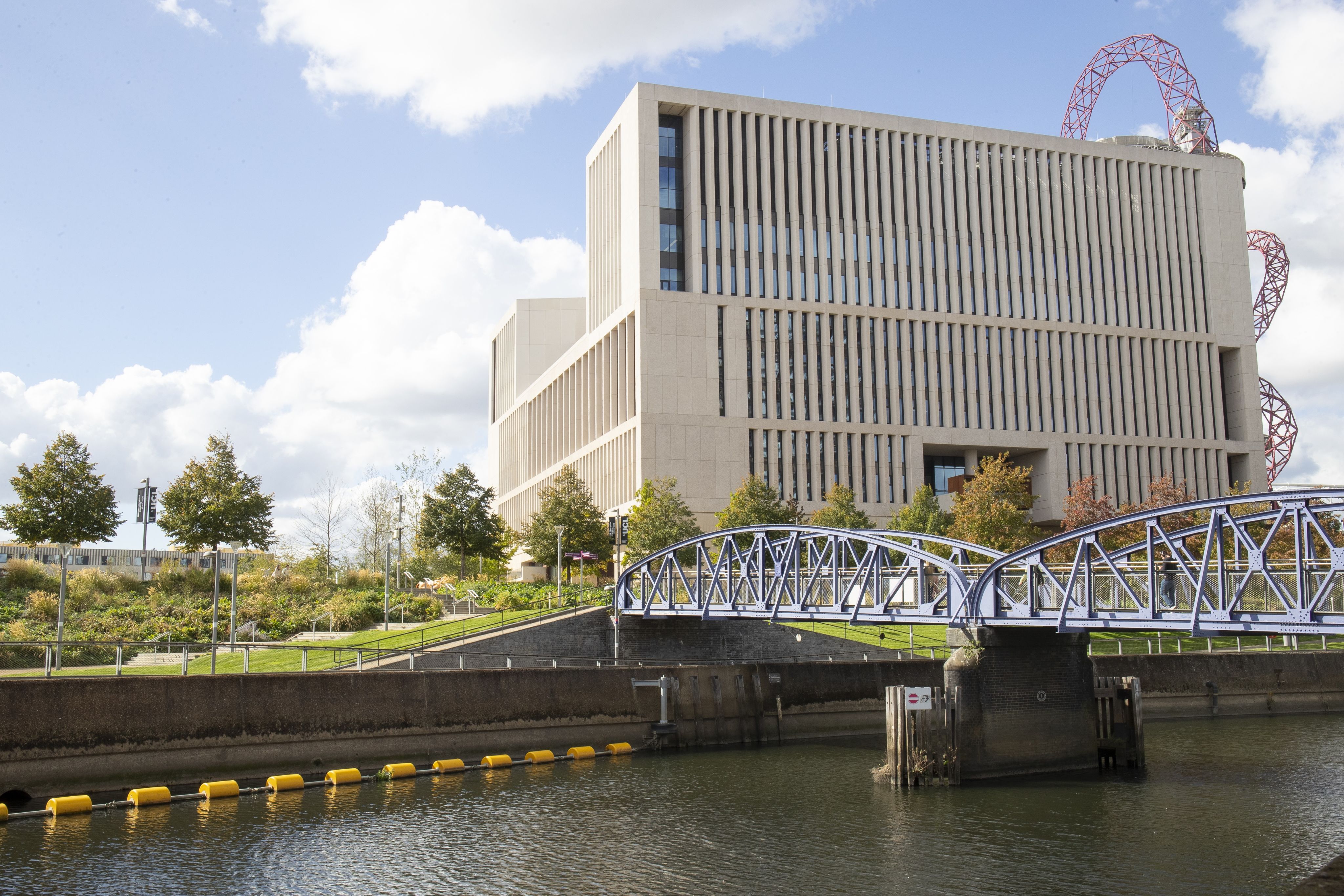
Marking the largest expansion in UCL’s near 200-year history, we opened UCL East, located on Queen Elizabeth Olympic Park, in 2023. Now home to just over 3,000 students, UCL East is our east London base for co-creating and sharing new knowledge for the benefit of all, with a focus on interdisciplinary, future-facing postgraduate study.
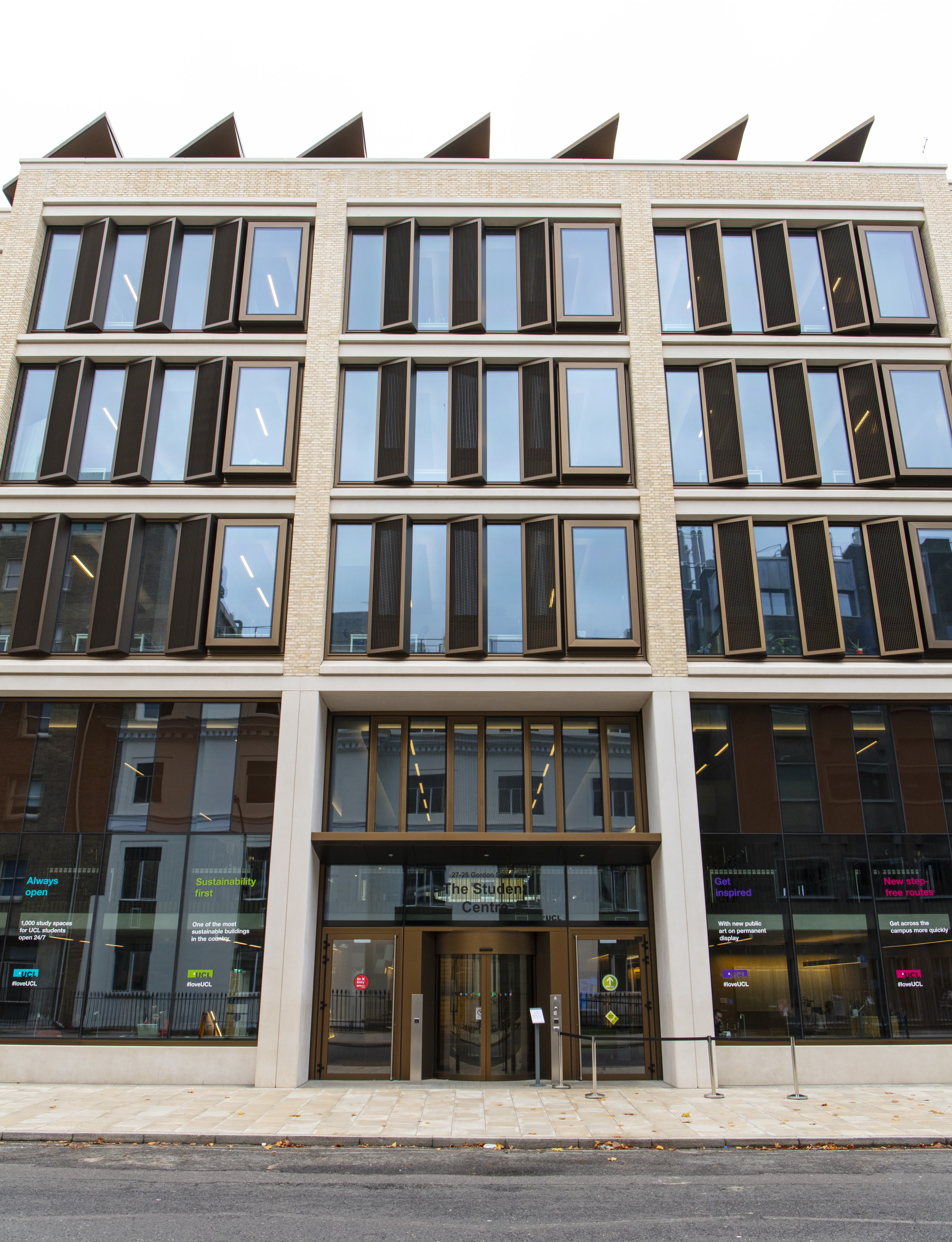
Student Centre
Once a WWII bombsite on Gordon Street, the site lay largely unused for decades, aside from temporary teaching structures. That changed in 2019 with the opening of the Student Centre, transforming UCL’s last vacant Bloomsbury site. The £67.4 million building, funded by UCL and generous alumni and friends, now offers learning and social spaces alongside a new home for Jeremy Bentham’s Auto-Icon. Designed by UCL alumnus and lead architect James Eades, of Nicholas Hare Architects, it has achieved a BREEAM ‘Outstanding’ rating for its sustainability performance.
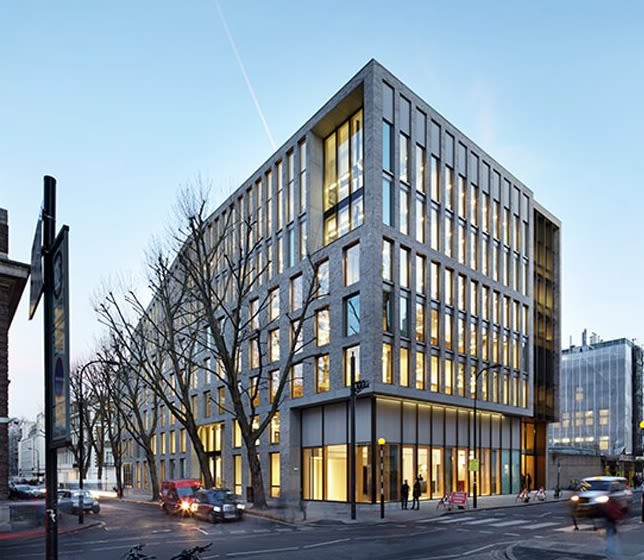
22 Gordon Street
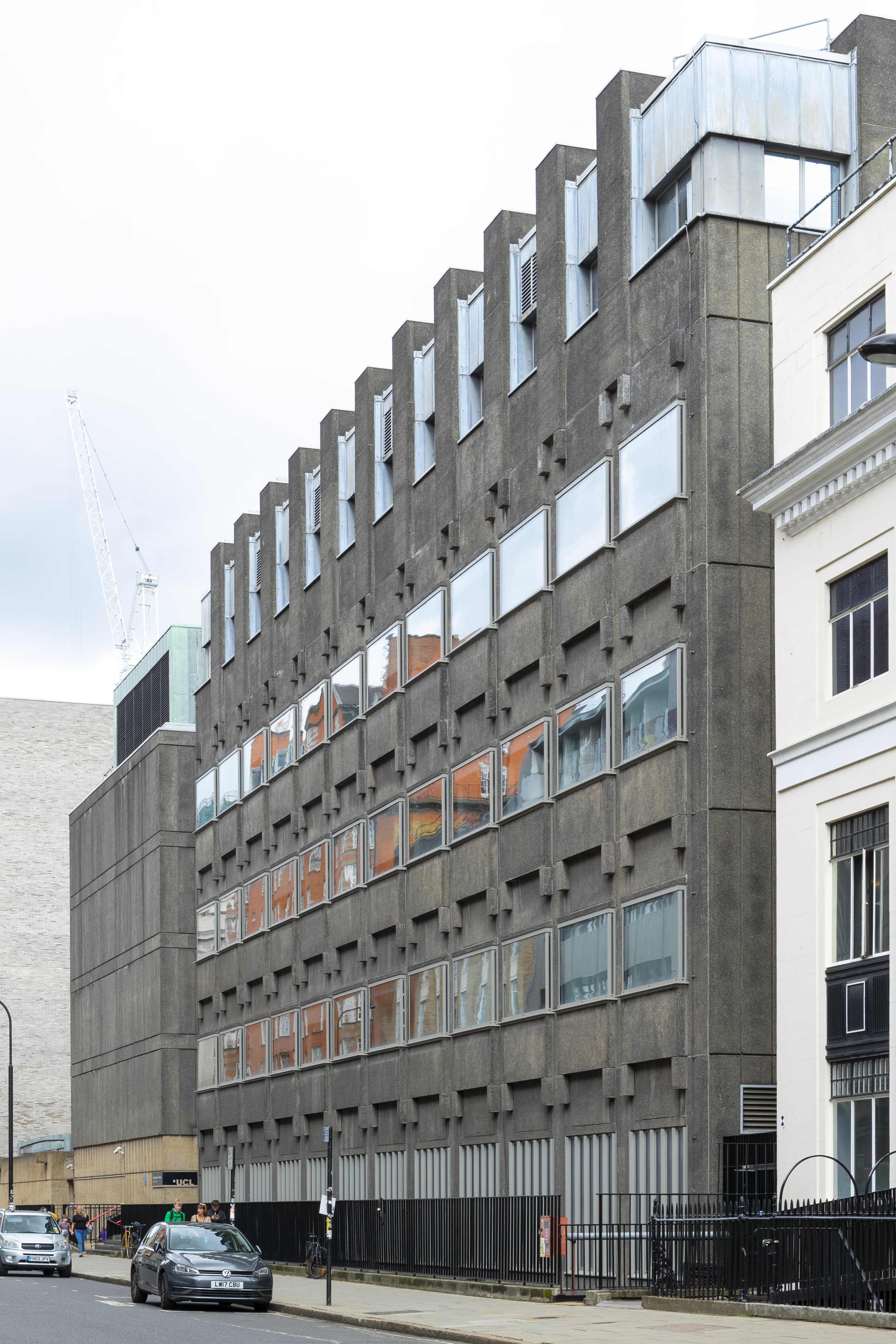
Since the 1970s, 22 Gordon Street has been home to The Bartlett School of Architecture, where thousands of architects have developed their craft. Originally opened in 1975 as Wates House, following a generous donation from the Wates Foundation, the building was significantly expanded in 2016 to accommodate around 1,000 students and staff. The project retained the original concrete structure, reducing its environmental impact while also adding character to the design.
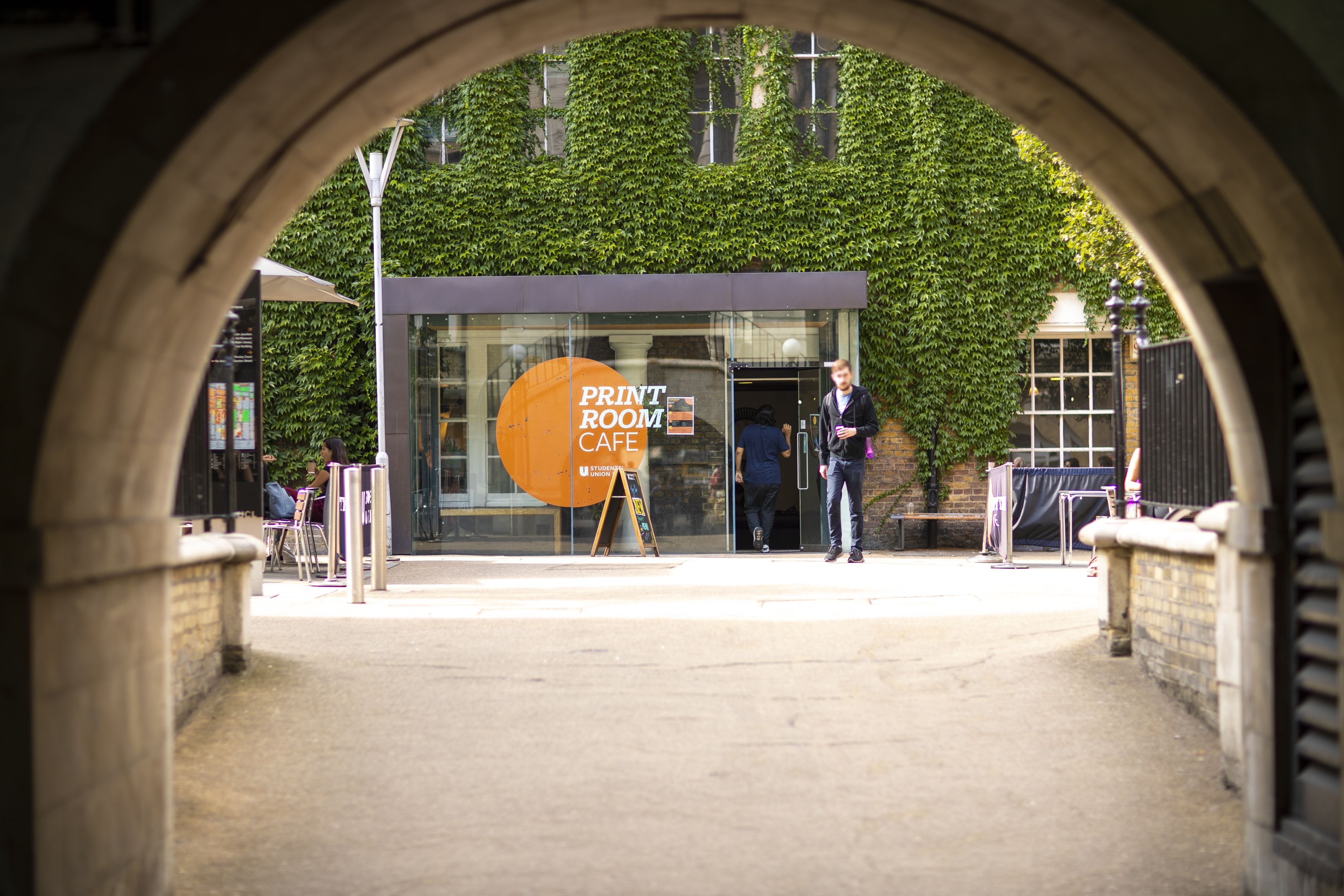
Print Room
The Print Room Café is a corner of campus that sometimes catches returning alumni by surprise. Before 2008, the space housed a university printing facility; today, it is a popular café, opening onto South Junction, the back quadrangle of the Wilkins Building. Its ivy-covered frontage has since become a favourite backdrop for Instagram snaps.
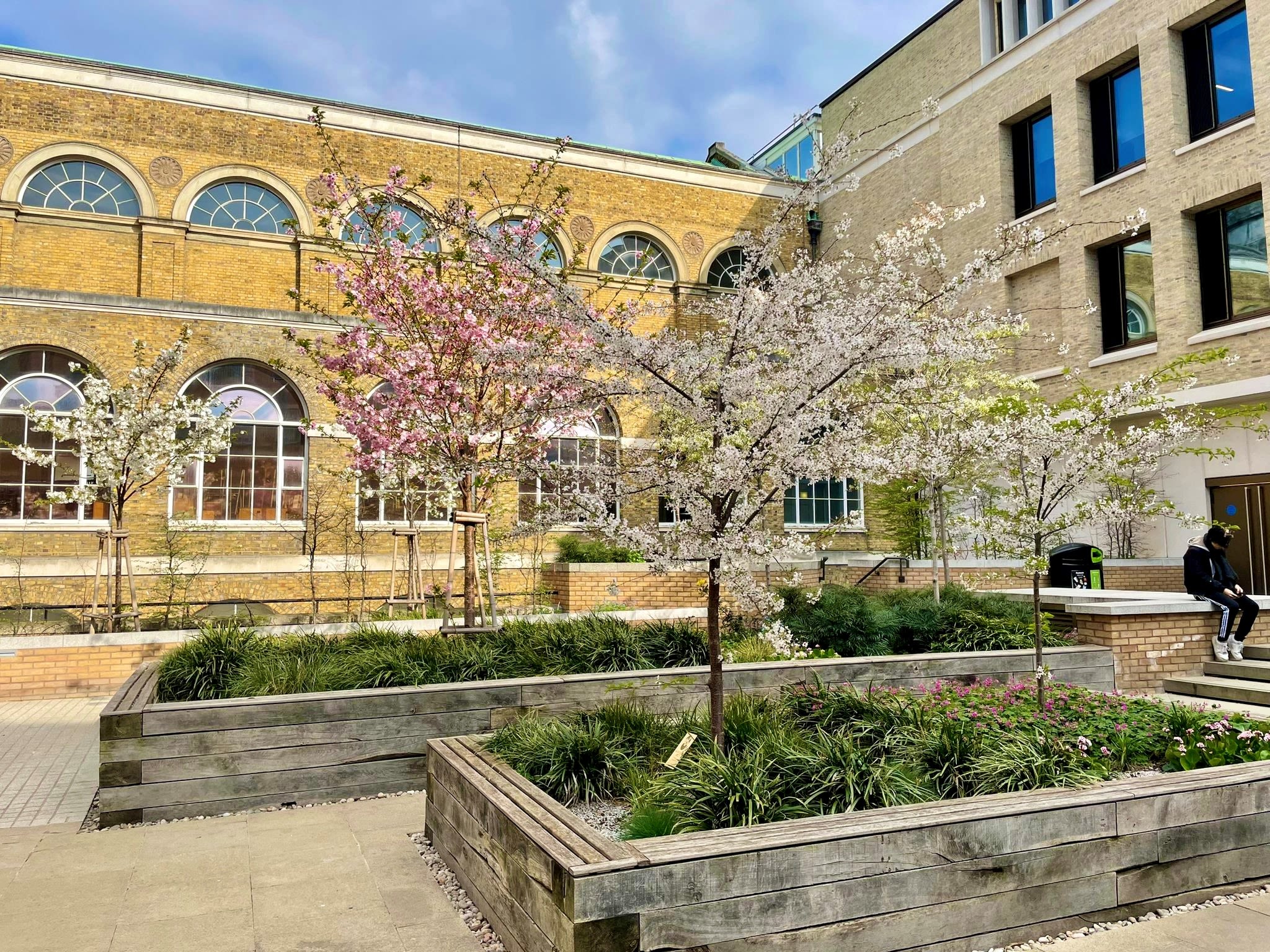
Wilkins Terrace
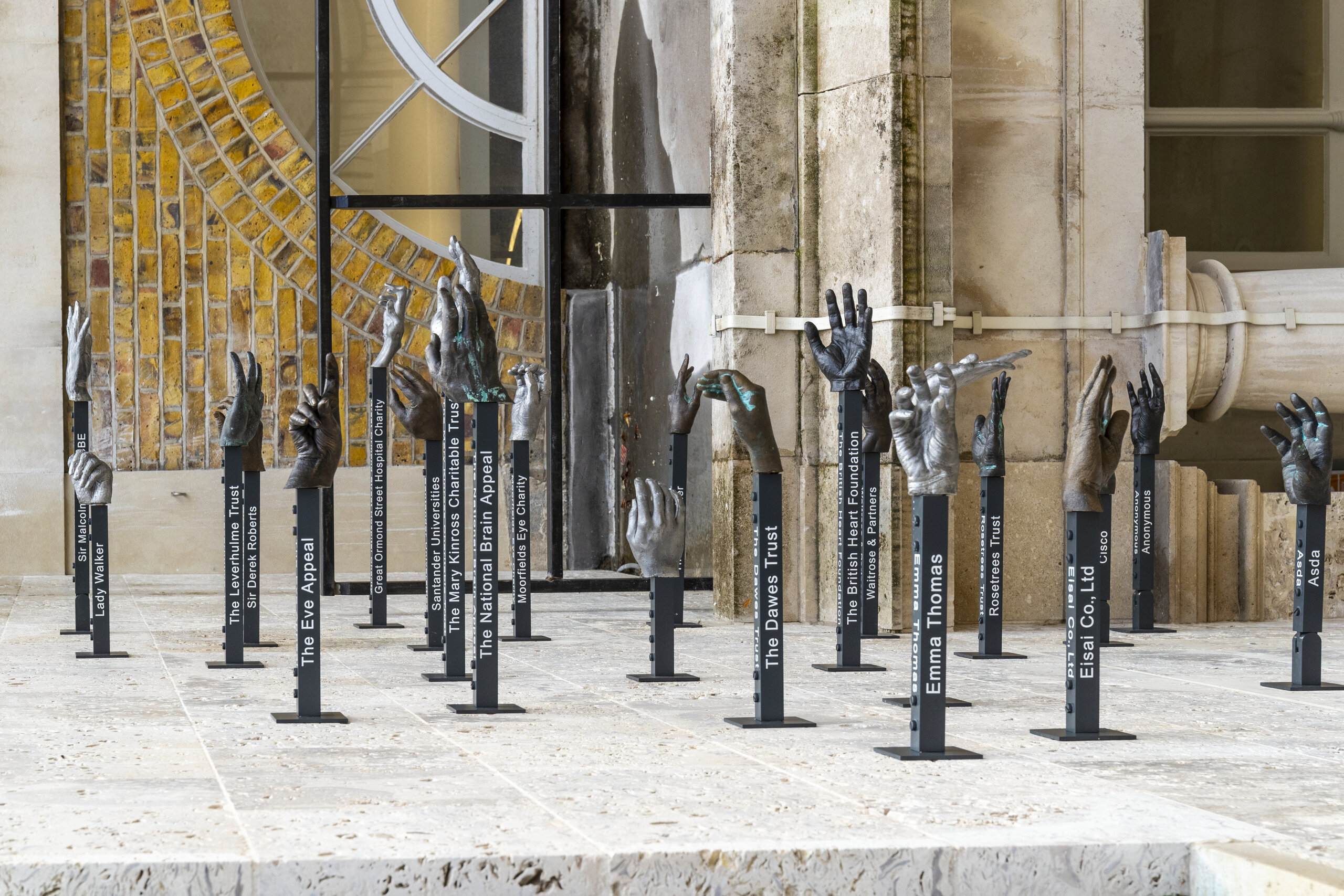
Formerly the unsightly and unloved Physics Yard, the Wilkins Terrace opened in 2017 as a vibrant and indispensable social, events and amenity space for UCL. The project included a major extension and refurbishment of the Refectory, as well as a striking donor-wall installation, pictured below, recognising the important role of philanthropy at UCL.
One Canda Square
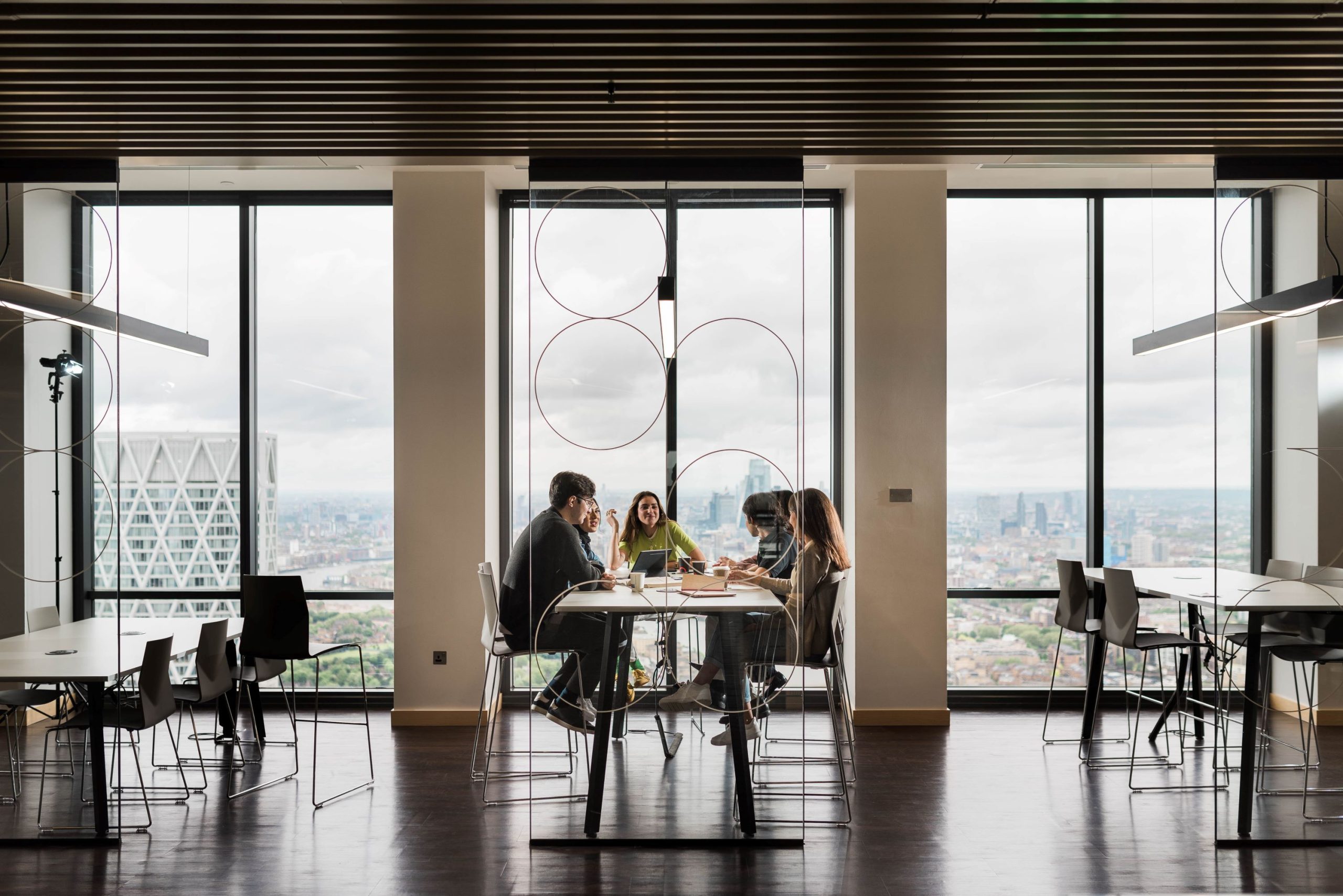
One Canada Square in London’s Canary Wharf, the UK’s third-tallest building, has been home to the UCL School of Management since 2016, when the School first moved onto the 38th floor. Since then, the School has expanded across three floors to accommodate a rapidly growing student population, with more floors to come. Dubbed the “campus in the clouds”, the location places students at the heart of one of London’s leading business districts, with access to a wide network of innovators, thought leaders and global businesses.
What's next
And the transformation does not stop here. Across UCL’s estate and beyond, new ground is being broken to prepare the university for its third century, through the creation of research hubs and centres that will strengthen our campus and support our community. These developments will drive world-leading research and innovation for the public good.
The Hilary and Galen Weston Rare Dementia Support Centre
Due to open in the coming months, The Hilary and Galen Weston Rare Dementia Support Centre is being delivered in partnership between UCL and The National Brain Appeal. The first facility of its kind globally, it will be a centre of excellence for support, education and research around the distinctive and complex challenges posed by rare, inherited and young-onset dementias. It will be located across two adjoining townhouses in Woburn Square in Bloomsbury, close to UCL Queen Square Institute of Neurology and the National Hospital for Neurology and Neurosurgery.
The purchase of the site was made possible by a £2.7m donation from The Hilary and Galen Weston Foundation to UCL, as part of a £9.9m capital appeal led by The National Brain Appeal.
256 Grays Inn Road
256 Grays Inn Road will be a world-class centre for neuroscience research and treatment, home to the headquarters of the UK Dementia Research Institute (UK DRI) HQ, and a UCLH NHS outpatient unit.
Supported and enabled by donors to UCL, this state-of-the-art facility will bring practice and research under one roof to support the development and delivery of treatment and to accelerate the discovery of disease-modifying therapies for neurological conditions. The new space will transform the way UCL’s academic and clinical teams work with industry, health and social care providers in tackling the leading causes of death and disability.
Moorfields and UCL Centre for Eye Health
Moorfields and UCL Centre for Eye Health is due to open in 2027. It is a joint partnership between Moorfields Eye Hospital NHS Foundation Trust, the UCL Institute of Ophthalmology, and Moorfields Eye Charity.
By bringing together world-leading eye care, research and education under one roof, the centre – which has been made possible by philanthropic funding and partnerships – will revolutionise eye health in London, across the UK and around the world.
Portico magazine features stories for and from the UCL community. If you have a story to tell or feedback to share, contact advancement@ucl.ac.uk
Editor: Lauren Cain
Editorial team: Ray Antwi, Rachel Henkels, Harry Latter, Chloe Lambdon, Bryony Merritt, Lucy Morrish, Alex Norton, Thrisha Sajeev
Shorthand presentation: Harpoon Productions
Additional copywriting: YBM
Follow UCL



 Built with Shorthand