
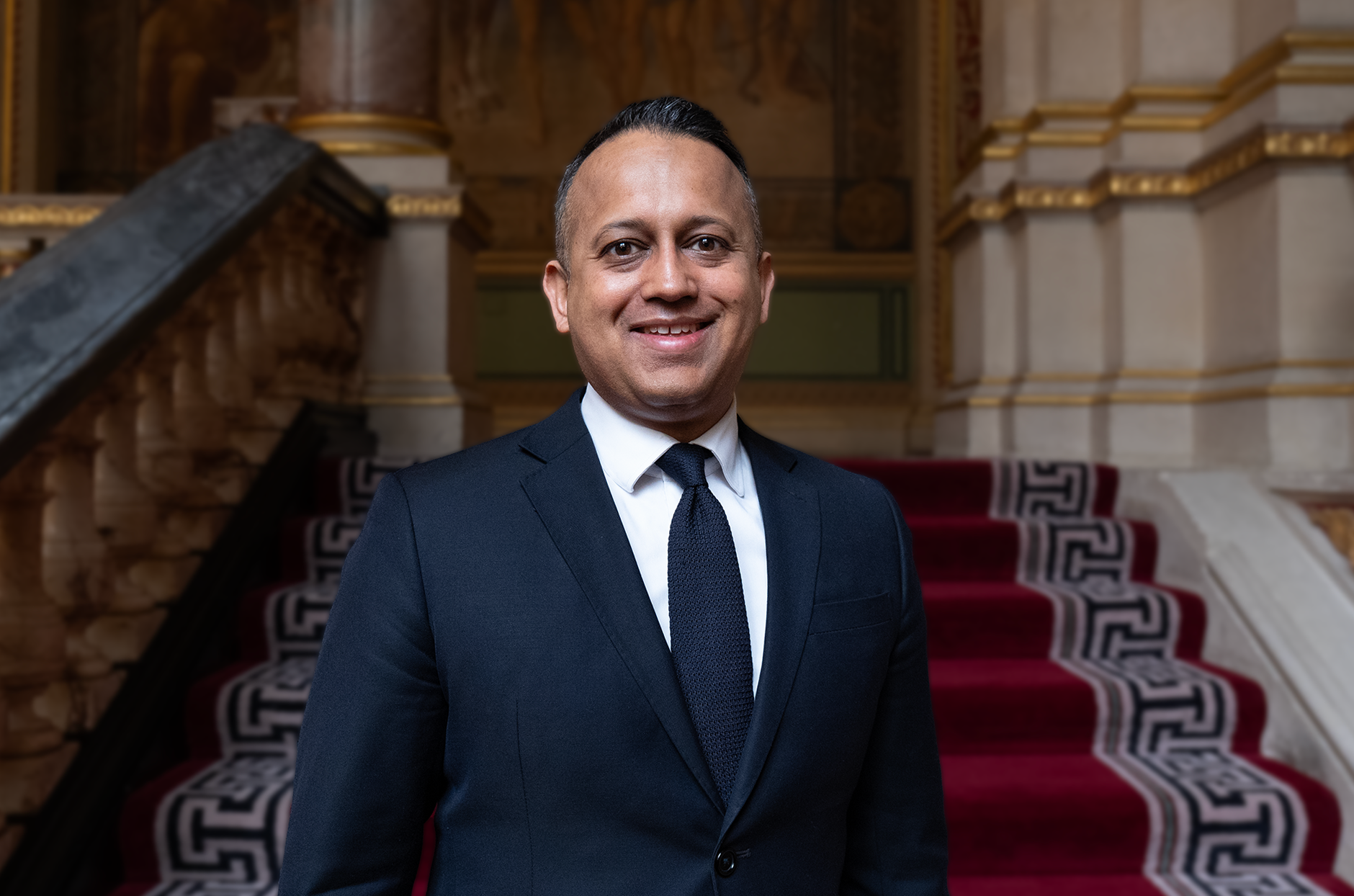
Inspired By: Nik Mehta OBE
International diplomacy
How embracing diversity helped British High Commissioner to Singapore Nik Mehta OBE (UCL Chemistry MSci 1999) to forge an exceptional, intercontinental career.


People | Portico Magazine | Spring 2025

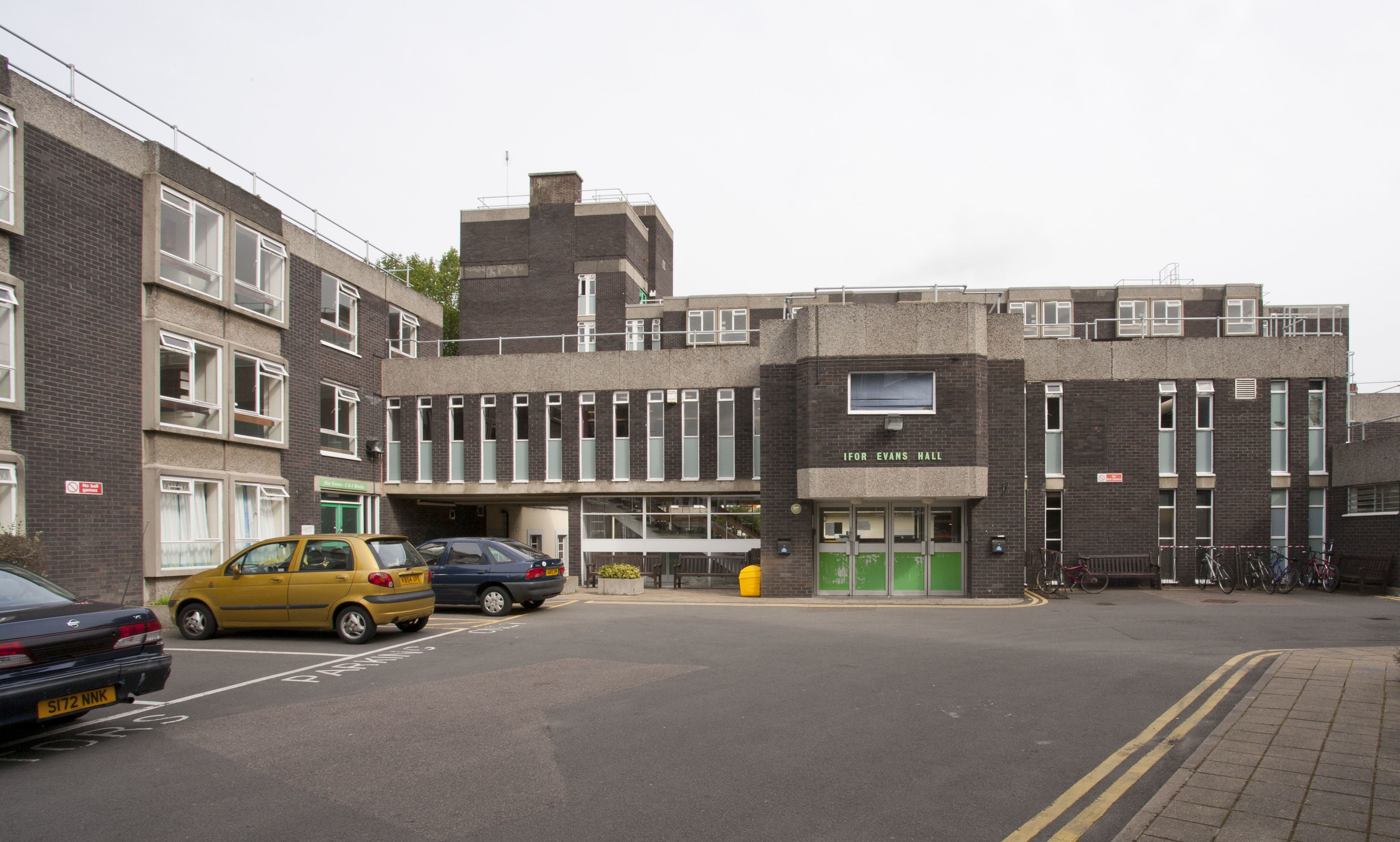
Istudied Chemistry at UCL because I’d always enjoyed the subject, but I came in having no idea what I’d be doing by the end of my degree. I’m a Londoner and living in Central London was a huge draw; I lived in Ifor Evans Halls and loved the nightlife just on my doorstep.
I was a bit of a tearaway, if I’m honest. But in my first year, one of my tutors – Professor Mike Ewing – sat me down and told me I needed to change the path I was on. It was the kick I needed.
Mike was hugely supportive of me throughout my degree, and I'd always go to him for advice. It was the type of proper pastoral support that I think students need at times. Even after I joined the Foreign Office and went off on various postings, when I came back to the UK we’d meet to have lunch or dinner, usually around the corner on Drummond St. He took a keen interest in my career and was a super nice guy. Mike became UCL’s first Dean of Students (academic) in 2009. I was deeply saddened to hear of his passing in 2016.
From labcoats to international exchange
I had the opportunity to undertake a PhD after my Master’s, but I really didn't know whether I wanted to be in a lab coat for the rest of my life. By chance, I went to a careers event where I saw an advert for the JET Programme, which invites graduates from across the world to teach in Japan. I applied on a whim and was successful.
The JET Programme was the first time I experienced being a representative of the UK in a foreign country. I was placed in a small, rural Japanese town; I was probably the first foreigner to live there, and no doubt the first brown-skinned foreigner. I loved having the chance to share UK culture with my Japanese students and friends. It was the most amazing experience.


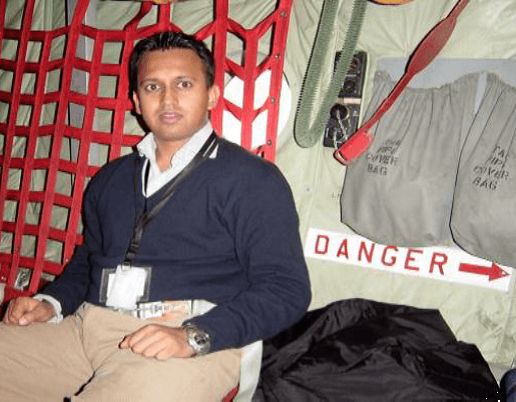
Nik in Iraq
Nik in Iraq

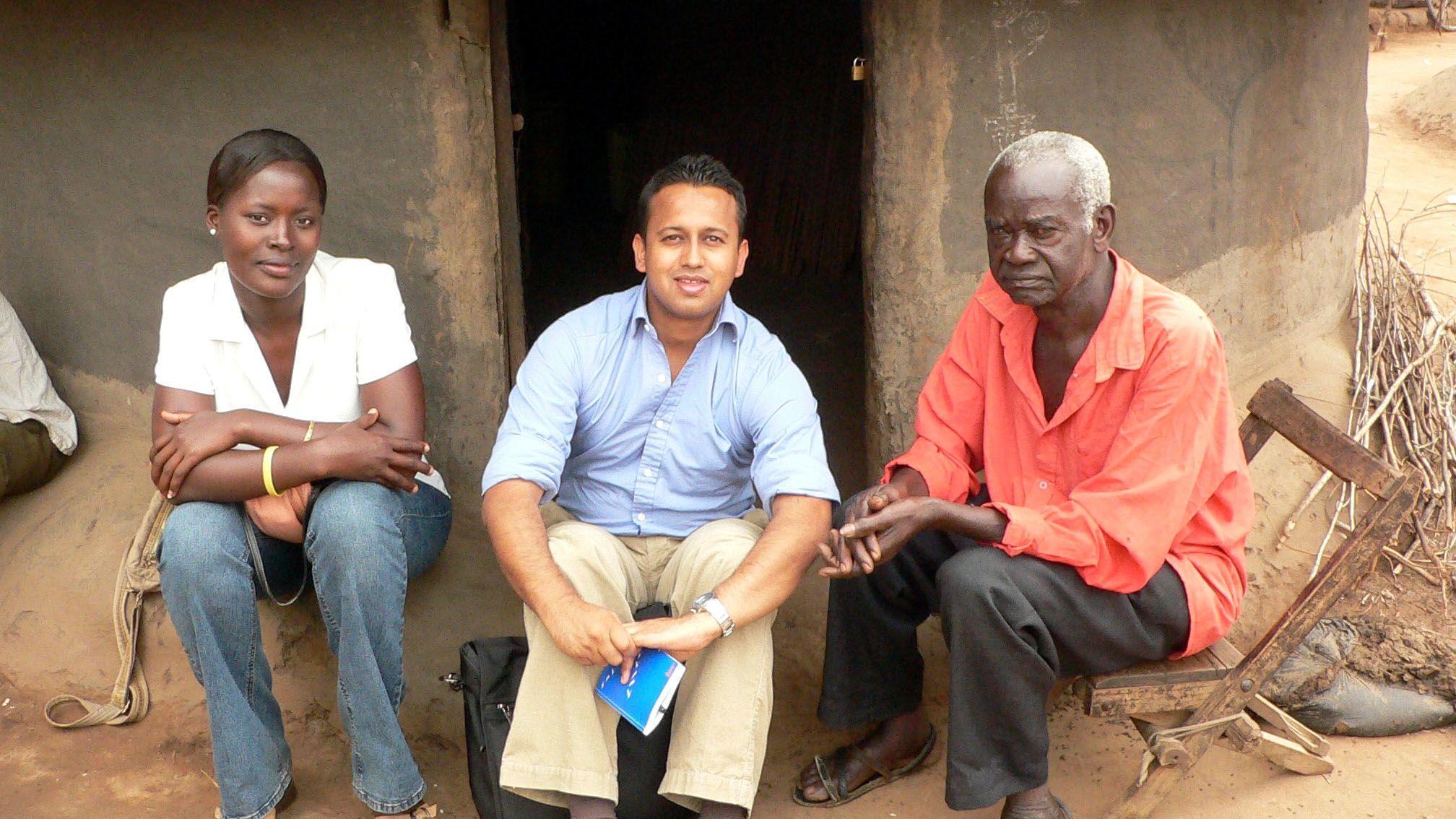
Nik in Uganda
Nik in Uganda
Two years into my time in Japan, a good friend of mine suggested I look into a career in the Foreign Office. At the time, I didn’t believe the civil service or diplomatic service was for people who looked like me. I thought it was only an option for people from the “majority”. But my now-wife helped me prepare for the exams, and I joined the diplomatic fast stream in 2002.
I started on the NATO desk and worked in the Iraq Emergency Unit when the Iraq War broke out. I then had the opportunity to work in Iraq as the Political Officer for southern Iraq, and arrived in the country the day after Saddam Hussein was captured.
After Iraq, I was posted to Uganda for three years, which was particularly poignant for me. My mother was a Ugandan Asian who was expelled from the country at gunpoint by Idi Amin's forces in the early 1970s. The opportunity to go to Uganda came about by chance, but I thought it was quite important to close that circle in my family's life.
The job was incredible. I spent a lot of it reporting on the conflict in northern Uganda between the Lord's Resistance Army and the Ugandan military, shining a light on a conflict that wasn’t being widely reported on. The Lord’s Resistance Army was infamous for its use of child soldiers, and I met so many poor children who had been brainwashed into fighting. My mum and grandmother visited and I took my grandmother to the village she was brought up in. They hadn’t been back since they were forced out of the country – it was a very special moment.
From Uganda, I returned to the UK and worked in counterterrorism roles, before being posted to Malaysia. This was the time of the MH370 and MH17 tragedies and my role was to report on what was happening and, in the case of MH17, provide consular support to the families who were affected.
It was also a time when the UK Government was keen to build closer relationships with Southeast Asia. The then-Prime Minister, David Cameron, came to Malaysia twice and I helped with his visit. But the standout moment was working on the royal visit of the (then) Duke and Duchess of Cambridge, William and Kate. They came for a four-day visit and I organised their programme, which was a most magical experience. I’ve since met HM King Charles III when I was appointed High Commissioner to Singapore. This was a huge highlight of my career.
Strength in diversity
I initially found my time in the Foreign Office quite difficult. At the time I joined, the diplomatic fast stream was not very diverse – diversity then was about which Oxford or Cambridge college you went to. I was one of, I think three people, from a minority ethnic background. I was intimidated by the building, the artwork, the way people spoke, the way that they dressed. I didn't see many people that looked like me. This led me to conform and made me a bit scared to voice my opinions. It was only during my first couple of overseas postings that I realised that diversity was a huge strength for our country and we need to find better ways of leveraging it.
After my posting in Malaysia, I went to work for GCHQ, one of the three intelligence services in the UK together with MI6 and MI5. I was one of very few intelligence officers to be publicly declared as a member of the organisation, which gave me a significant platform to talk about diversity and inclusion, and particularly the importance of neurodiversity, in tackling some of the big challenges that the country faces.
I’ve worked on diversity and inclusion issues for 15 years now, in part because I think it’s morally right that our intelligence and diplomatic services reflect UK society. But it’s important too because we can't afford to let great talent pass us by; we need the best minds working on the challenges that our society faces. To be able to tackle some of those most difficult, intractable challenges, you need people who can approach problems differently. Receiving an OBE in 2014 for contributions to foreign policy and diversity was a hugely proud moment. I really have to pay tribute to the massive support that I've received throughout my own career.
"Receiving an OBE in 2014 for contributions to foreign policy and diversity was a hugely proud moment. I really have to pay tribute to the massive support that I've received throughout my own career."
Magical moments
After my time at GCHQ, I was posted to South Korea, and spent four years there as the Deputy Ambassador. We did some super exciting things, including shining a light on climate change with the K-pop band Blackpink to mark COP26, the global climate summit in Glasgow. It was a fantastic example of what you can do with some creativity and determination; we pulled together a pitch, managed to get it in front of Blackpink’s producers, and created five videos. The videos hit over 120 million views, reaching people well beyond Korea. The group members were subsequently awarded honorary MBEs.

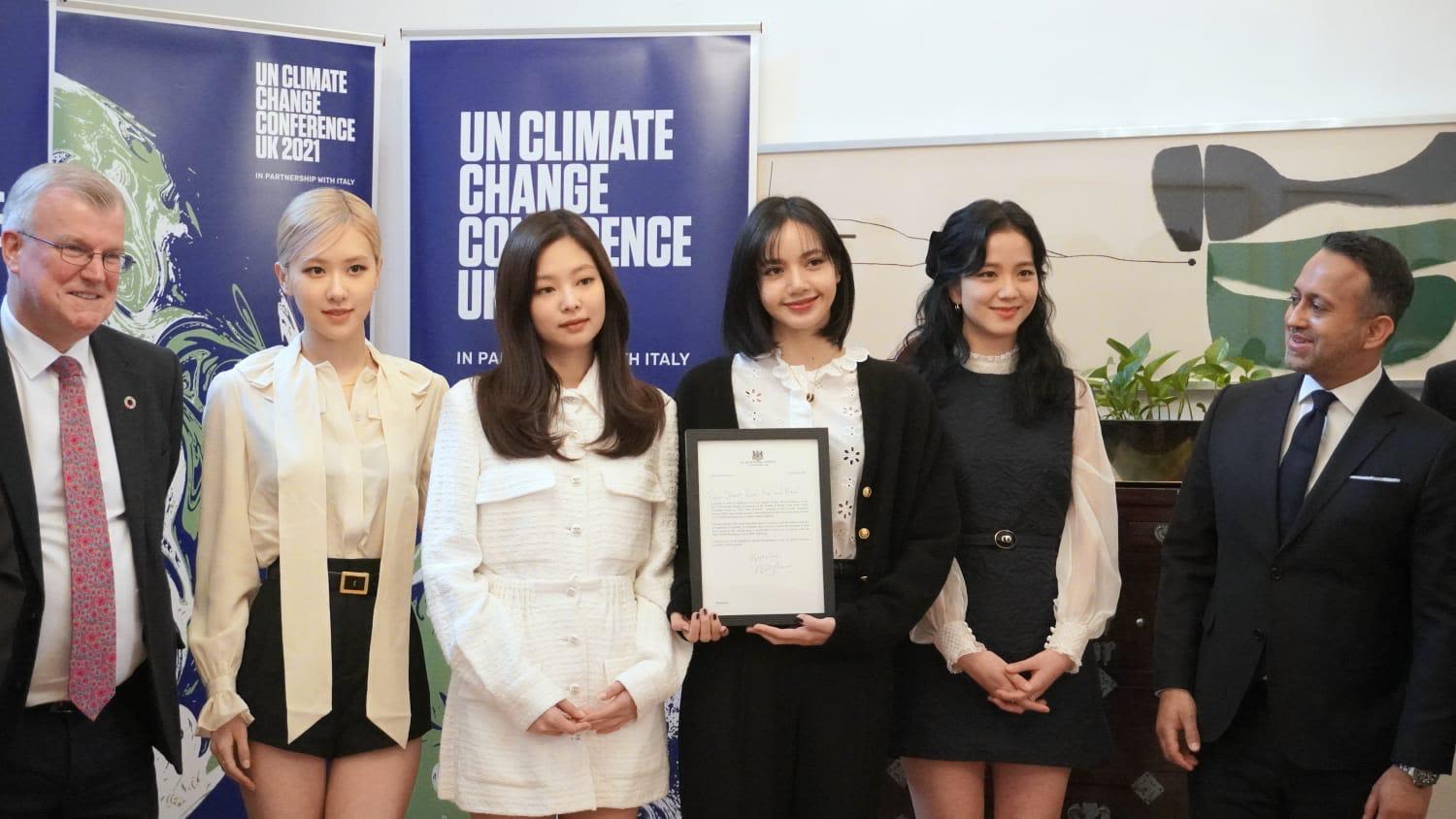
Nik with K-pop superstars Blackpink
Nik with K-pop superstars Blackpink

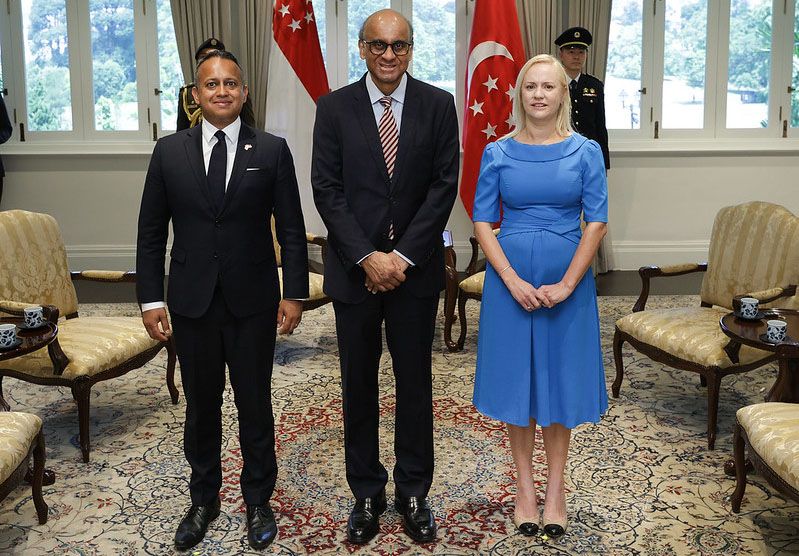
Nik with His Excellency Tharman Shanmugaratnam, the current and ninth President of Singapore
Nik with His Excellency Tharman Shanmugaratnam, the current and ninth President of Singapore

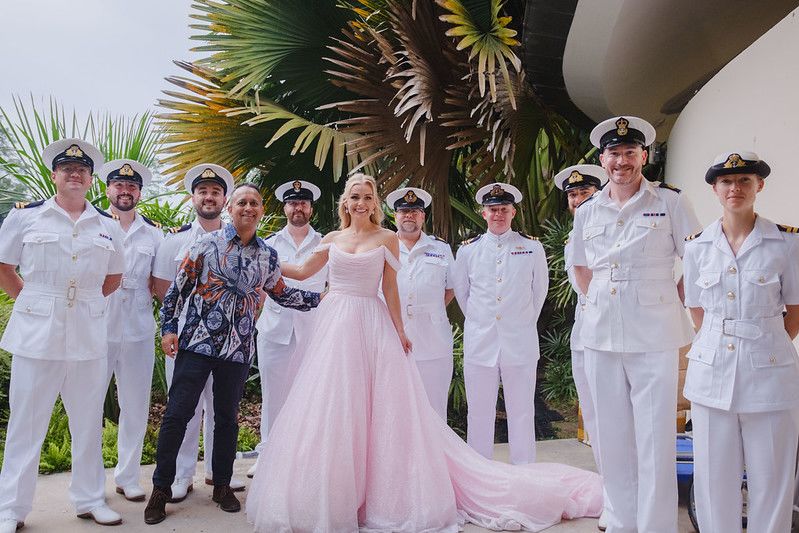
Nik with Welsh singer Katherine Jenkins at GREAT in the Gardens
Nik with Welsh singer Katherine Jenkins at GREAT in the Gardens
I’ve been the British High Commissioner to Singapore since July 2024, and have already enjoyed one of the top moments of my career. 2025 marks 60 years of diplomatic relations between the UK and Singapore, so to celebrate the ties between our countries, in March 2025 we held a magical concert at the Singapore Botanic Gardens with Welsh opera superstar Katherine Jenkins. More than 7,000 people attended the event – it’s the second biggest event that’s taken place in the gardens – and its impact on the UK’s soft power in Singapore was enormous.
Smiling every day
I'm hugely proud to be a UCL alumnus and I take every opportunity to mention it. It's fantastic to see the reach that UCL has around the world, including in Singapore. I meet people all the time who know about UCL, have friends who have gone there, or have been there themselves. The UK’s higher education sector remains highly regarded. Half of the Singaporean Cabinet was educated there.
There's not a lot of call for chemistry in a diplomatic career, but it taught me about synthesising complex information, about reasoning and about setting out arguments in a logical fashion. And UCL’s history of inclusivity – including being the first British university to admit women on equal terms to men – is something to be really proud of.
Last year, I had a brilliant time meeting the UCL Singapore Society on campus. It was great fun – and they even taught me about 0.5 selfies, so it was very informative! It was great to hear what they are doing to promote UK-Singapore relations and how they join up with other Singapore societies across London and across the country. They’re excellent ambassadors for Singapore.
My advice to current UCL students is to not constrain themselves when thinking about where their degree will take them. Be broad-minded about the skills that you’re developing and think laterally about what you might want to do in the future.
I feel incredibly fortunate to do a job where I feel excited every morning – and that’s after 22 years. Public service is about doing good and wanting to make the world a better place; it gives you a level of satisfaction which I think is massively important. So, as you think about what you want to do next, try to find something that brings a smile to your face every day.
Nik Mehta OBE is British High Commissioner to Singapore.


Portico magazine features stories for and from the UCL community. If you have a story to tell or feedback to share, contact advancement@ucl.ac.uk
Editor: Lauren Cain
Editorial team: Ray Antwi, Laili Kwok, Harry Latter, Bryony Merritt, Lucy Morrish, Alex Norton
Shorthand presentation: Harpoon Productions
Additional design support: Boyle&Perks
Follow UCL


 Built with Shorthand