
Inspired By: Janice Hallett
Plot twist
Proving that it’s never too late to try something new, Janice Hallett (UCL English BA 1990) reflects on her unexpected rise as a leading voice in crime fiction later in her career.


People | Portico Magazine | Spring 2025
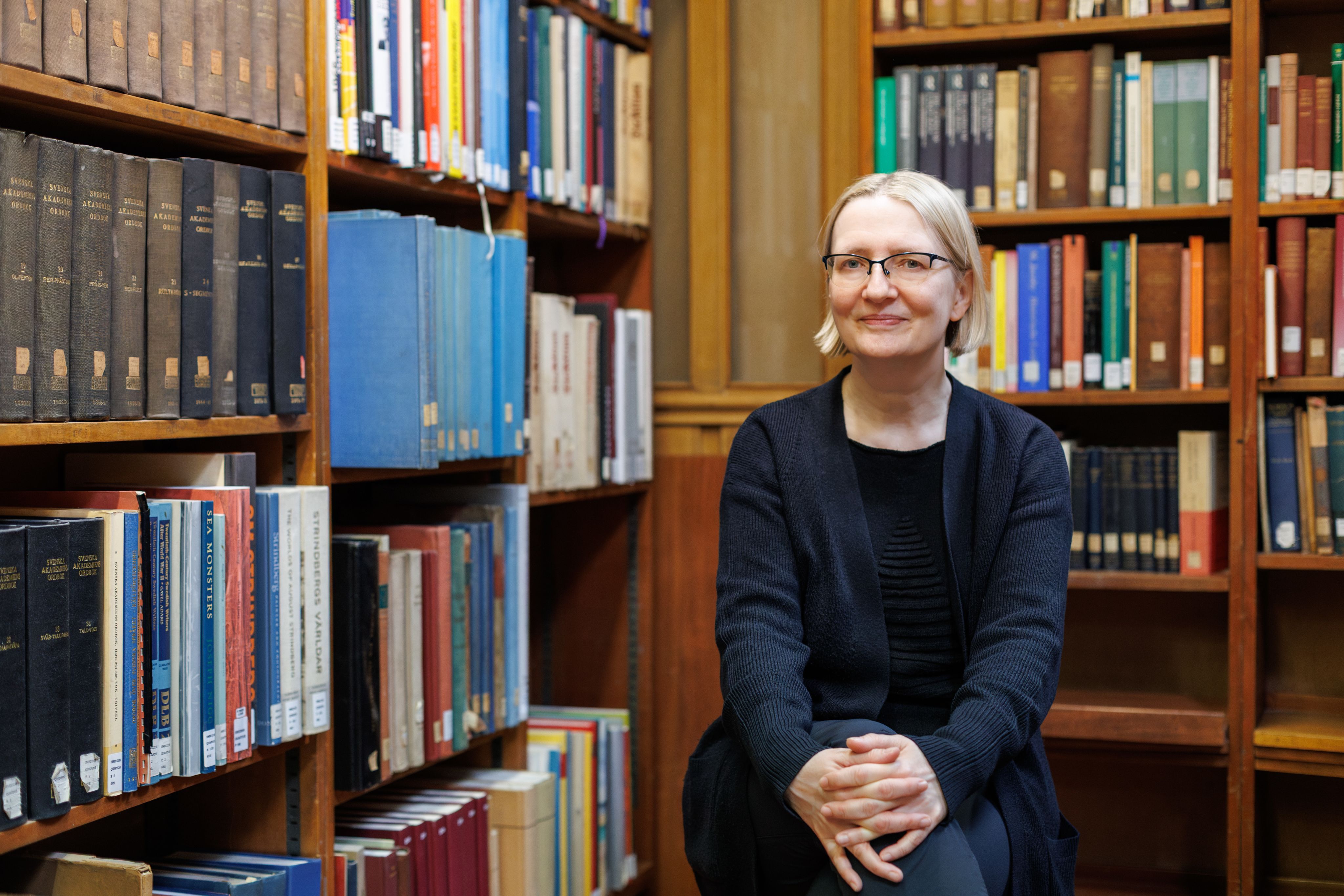

My love of writing comes from my love of reading. As a child, I became an avid reader almost by accident. My parents didn’t read much, and there were no books in our house – just the Highway Code.
It all began when my mum helped run the local scout group and volunteered at jumble sales. I tagged along and discovered a treasure trove of Enid Blyton books, which people were giving away in the mid-70s as she had fallen out of fashion. Through these stories, I fell in love with reading, and, to this day, I credit Enid Blyton with inspiring my career. Her ability to write so fluidly and captivatingly left a lasting impression on me. From that moment, I knew words would be my life.

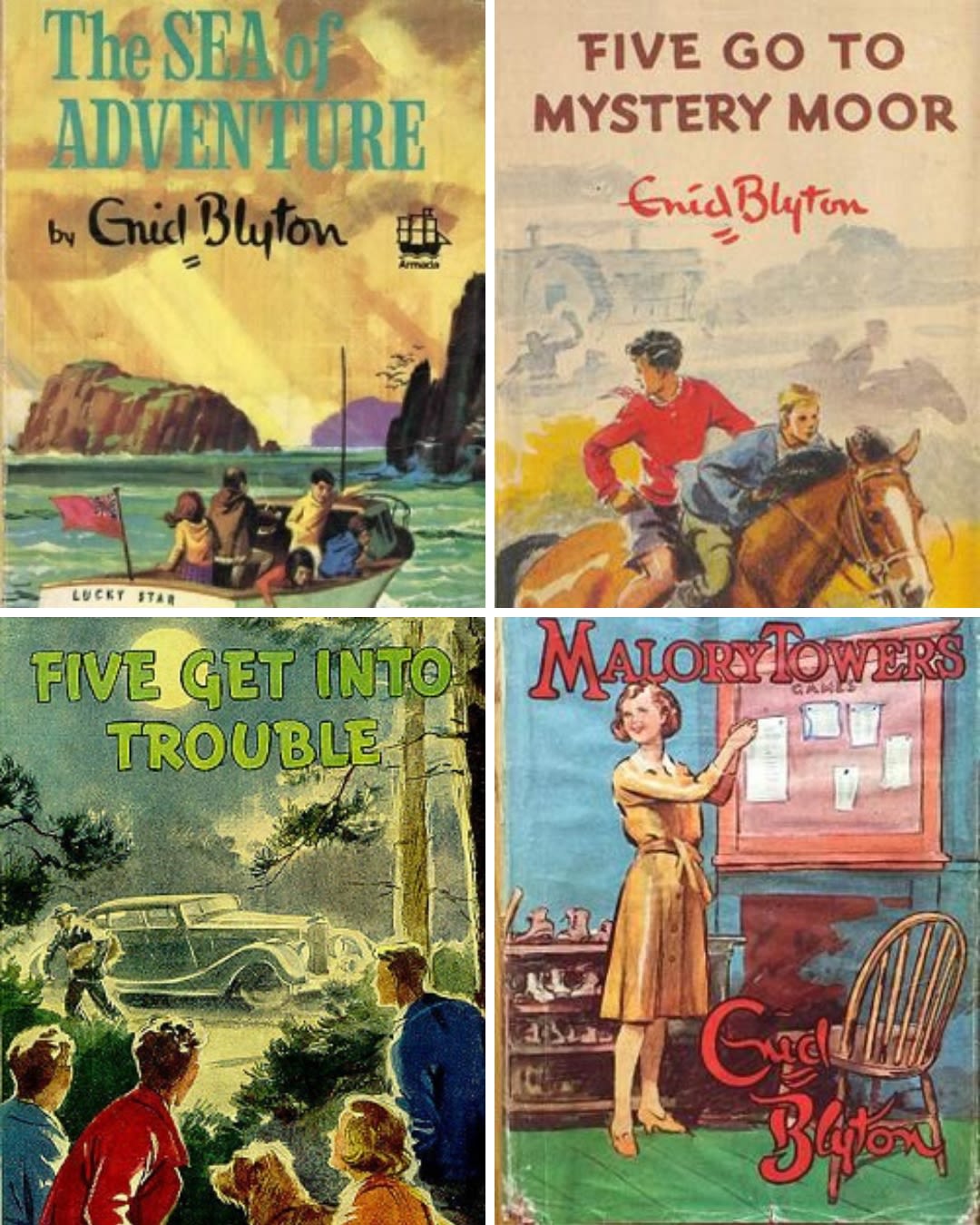
Janice’s love of reading was sparked by reading Enid Blyton books
Janice’s love of reading was sparked by reading Enid Blyton books

Lifting the curtain
I would describe my journey to UCL as rocky and unconventional. I had already secured a place at a local polytechnic to study communications, but then, against all odds, I got an A in my English A level. It was a huge surprise. While I loved reading and writing, the state school I was at in north-west London focused more on maths and science than on arts and humanities, and I’m not sure anyone there had ever got an A in English.
To this day, I’m incredibly proud of that A level result. It changed everything. The moment I saw my grade, it felt like a curtain lifted, and I knew right then that I wanted to study English and immerse myself further in books and literature.
I found UCL's number in the phonebook in my local library and called to ask if there were any spaces left. Looking back, it was a bold move for a shy teenager like me. Luckily, there were still spots available, and I did the interview and entrance test the next day. Four weeks later, I was starting term at UCL.


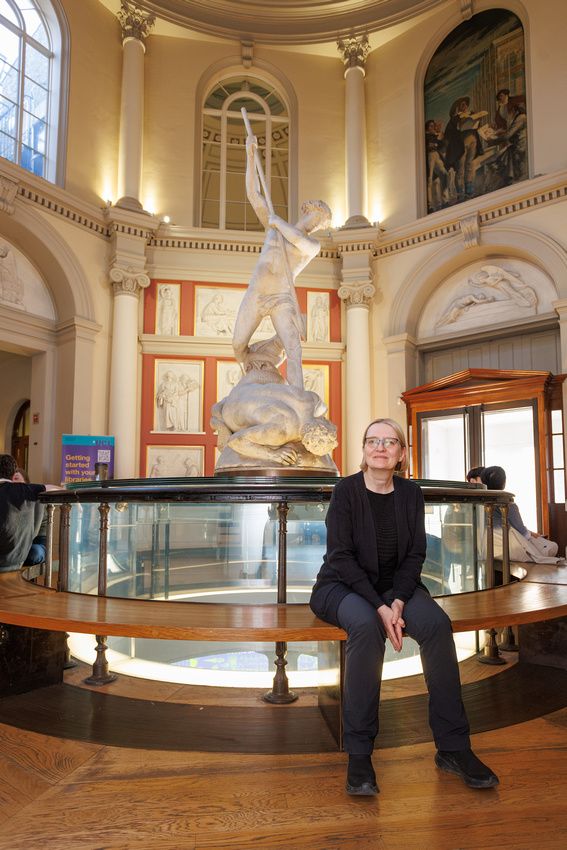
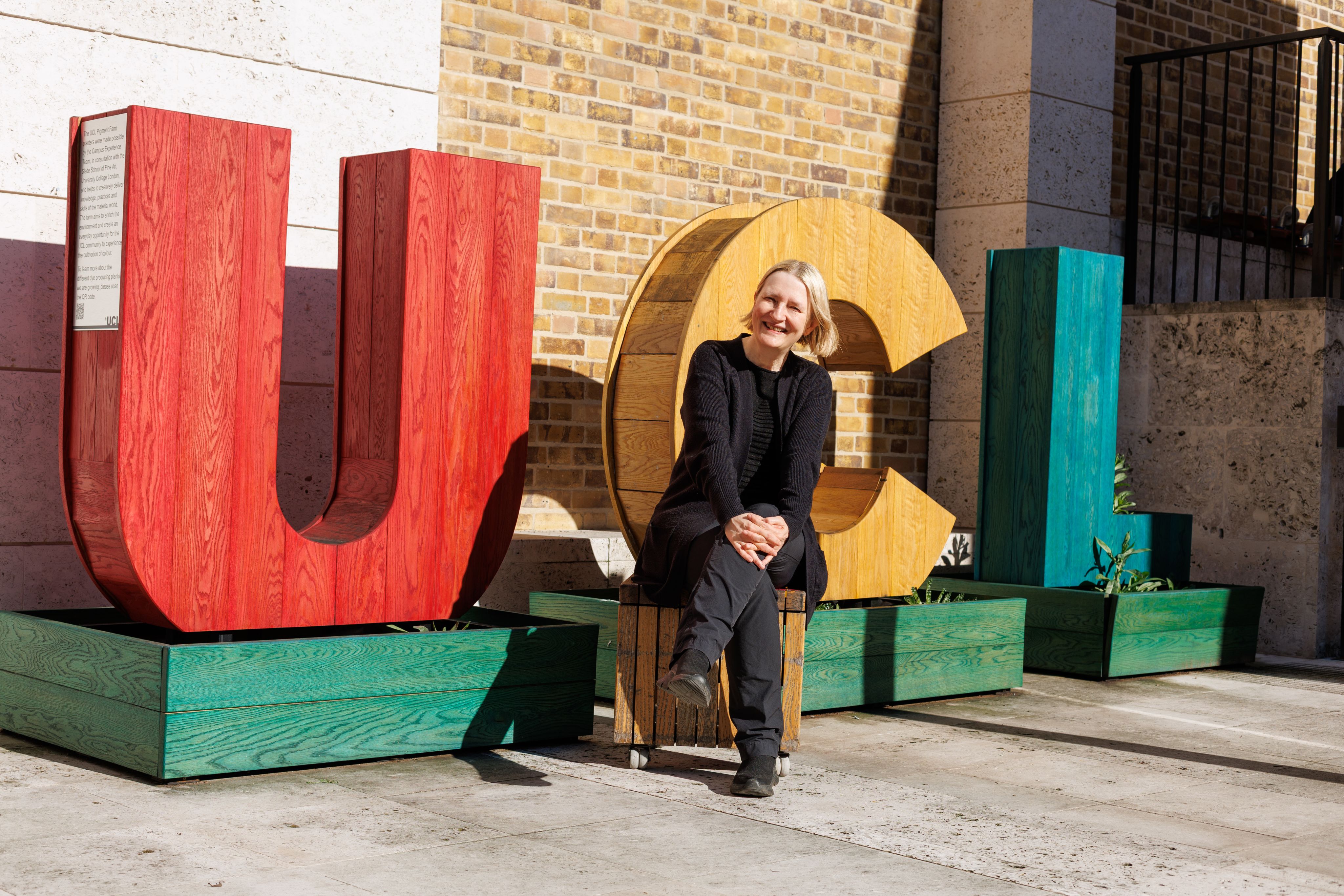
Image: John Moloney
Image: John Moloney
"Studying in London was wonderful. Being in the heart of the city, where much of the literature I studied either originated from or referenced, brought my studies to life."
Finding my feet
It took me some time to find my feet. My first year felt like a race to catch up. I hadn’t read as widely as my peers, and I often felt tongue-tied in class. But it was a glorious race to be on, discovering literature. I remember falling in love with the Victorian novelists, Thomas Hardy, the Brontës and Dickens.
Eventually, it clicked. I felt I had enough knowledge and understood the subject. We had one-to-one tutorials which were transformative for me, offering a supportive space to develop my voice and build confidence.
Studying in London was wonderful. Being in the heart of the city, where much of the literature I studied either originated from or referenced, brought my studies to life.
As a student, I even wrote my first novel: an angst-ridden story which thankfully never saw the light of day. It was a comedy adventure about a cartoonist whose creations get them into trouble. I can hardly remember it now and am glad it’s lost forever on an old computer.
In my view, I don’t think there’s a better subject than English. It’s not just about books; it’s history, geography, theology, philosophy, politics rolled into one. You study humanity, you learn about the world, far more than you would from facts and figures. Literature gives you insight into the era in which it was written, and through the writers’ eyes, you see history firsthand.

Becoming a writer
My writing career has taken many forms, and becoming a novelist is the result of a long journey. Although I had tried my hand at novel writing as a student, I didn't believe I could actually 'make it' as a novelist. Journalism seemed like the only viable career that would allow me to write all the time. So, after graduating from UCL in 1990, I became a journalist for cosmetic magazines. This was the heyday of magazines, a time when new titles were constantly emerging.
My degree was excellent preparation for my journalism career, particularly in developing the writing, analytical and research skills that came through essay writing. After 15 great years in the industry, during which time I launched my own magazine and publishing house, I felt I had said everything I could about beauty and cosmetics, and had reached the end of the road.
I left my job and became a freelance writer for a government communications agency. It was a challenging and varied role, from writing features in magazines for special police constables to speeches for cabinet ministers.
In my spare time, I co-wrote a play with a friend for a local theatre company. The moment the audience laughed at one of my jokes, the penny dropped. I realised I could write creatively, and my stories could connect with an audience.
Writing for the screen
I thought screenwriting might be my calling and so took a master’s in screenwriting at Royal Holloway. I ended up gaining recognition in the industry and co-wrote the screenplay for Retreat, a 2011 horror-thriller film starring Cillian Murphy, Jamie Bell and Thandiwe Newton.
Despite this success, my screenwriting career never fully took off. It’s the odd nature of the industry: you can be well-known but still have nothing made.
Eventually, while I was participating in a scheme for struggling screenwriters, my mentor suggested I adapt some of my screenplays into novels and see if I could get them optioned for screen.


From blank page to book
Aged 49, I opened a blank document and began writing my first novel, The Appeal: a murder mystery set among the members of a drama group, drawing on ideas and plots I’d developed during my screenwriting days. Everything fell into place, and five and a half years later, I’ve had five novels published, all thrillers, with two more – The Killer Question and A Box Full of Murders (my first children’s book) – coming out this year.
I think the crime and mystery genre is so popular because of our universal fascination with solving a 'whodunit'. On a deeper level, these stories offer a safe space to explore the darker aspects of humanity and our shared fears about falling victim to a crime.
As a writer, I enjoy experimenting with form. My books are modern reimaginings of the classic epistolary novel, written through WhatsApp messages, texts and emails. It’s like acting, stepping into different characters each day. I think this style resonates with readers because it reflects how we communicate today and allows them to become detectives themselves, unravelling the mystery.
From agent to publisher to reader, I never expected such a positive response to my books. It’s felt like I’ve finally found the right door and then, suddenly, all the others have opened.
In hindsight, I’m grateful that my screenwriting career didn’t take off, because I think I’ve now found my niche. I also feel I’m more suited to writing books – it’s more autonomous than being a screenwriter. A screenwriter is a cog in the machine, whereas the novelist is the actual machine.

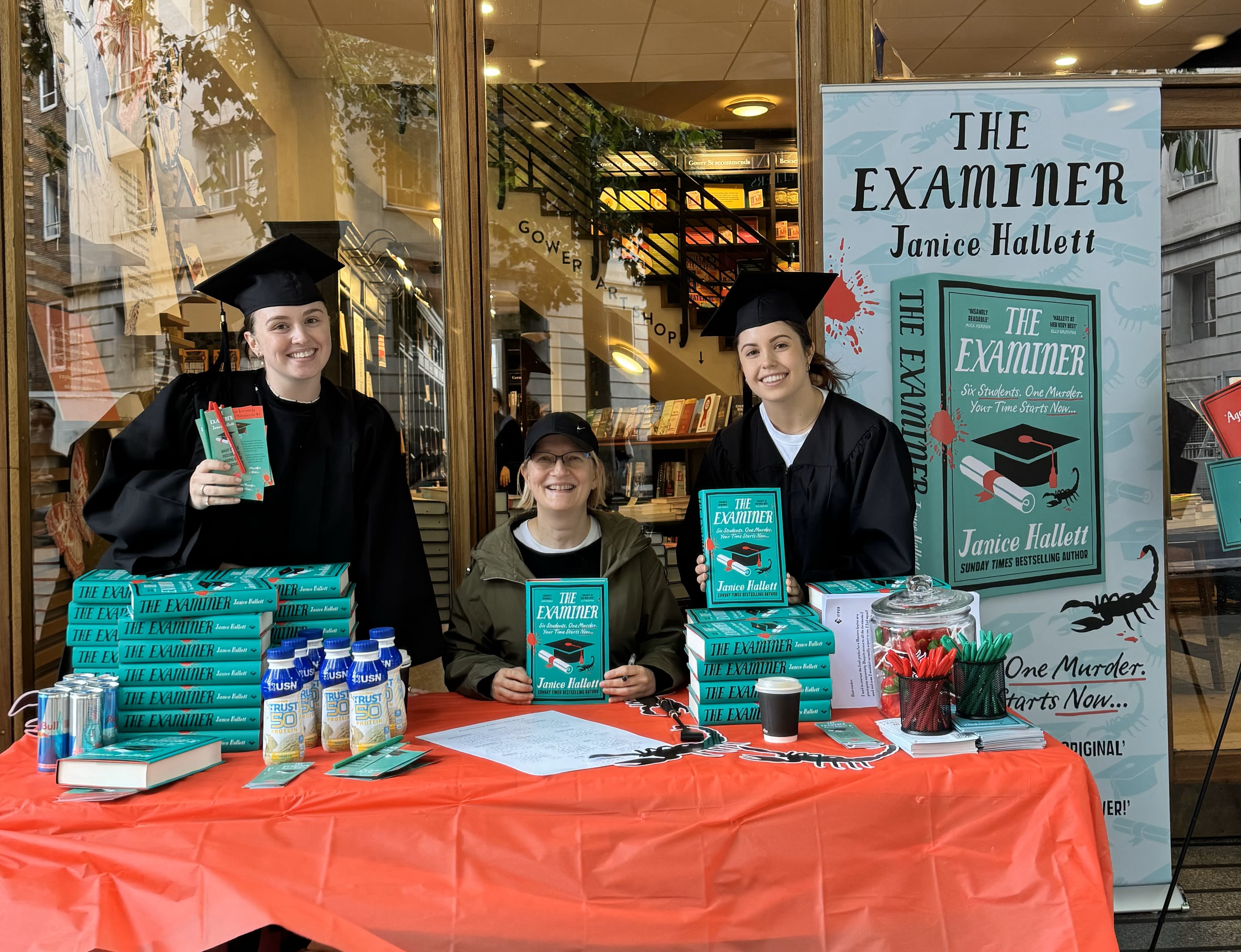
Janice outside Waterstones Gower Street in August 2024 at a launch event for her fourth book The Examiner.
Janice outside Waterstones Gower Street in August 2024 at a launch event for her fourth book The Examiner.

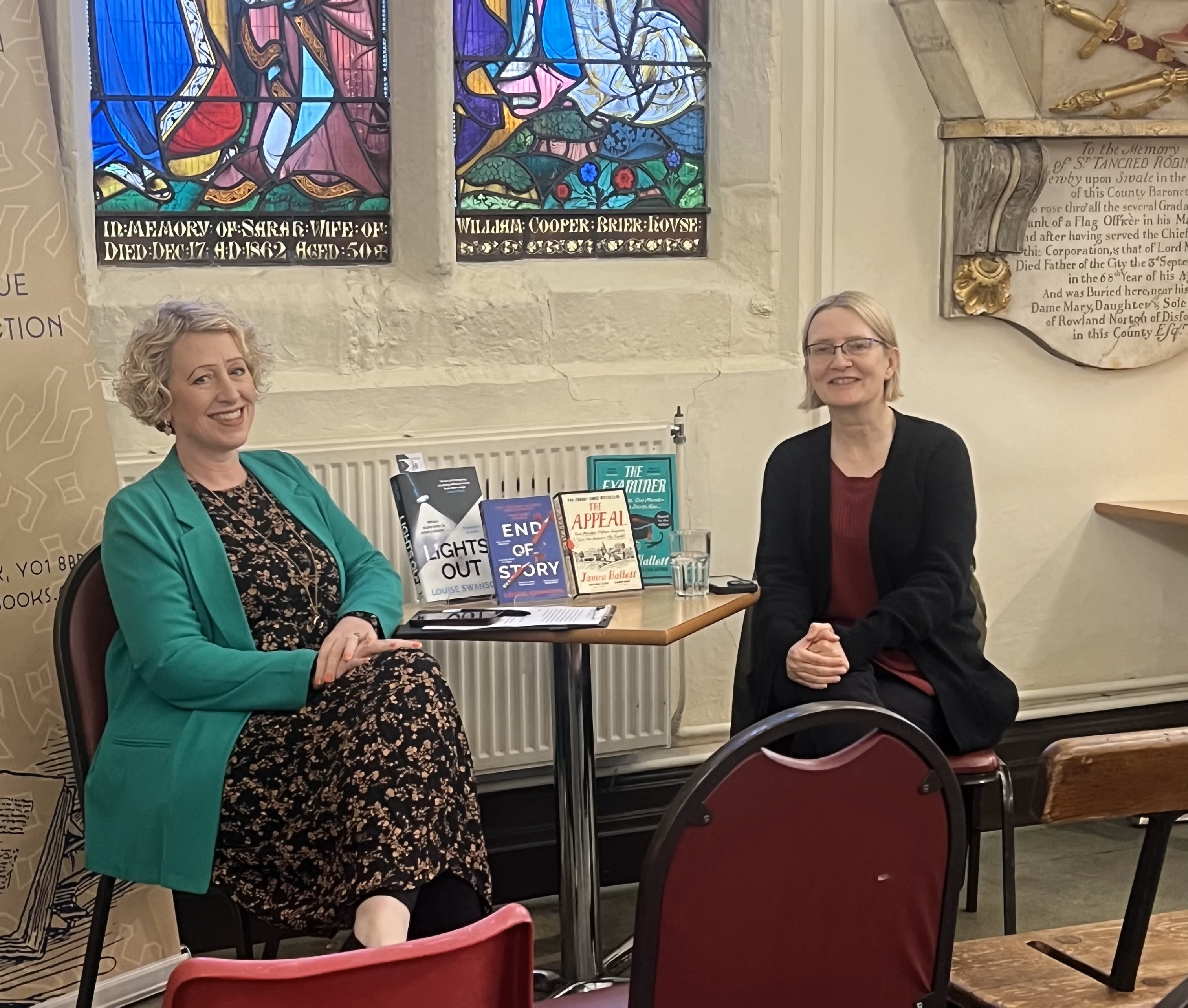
Janice at an event for Criminally Good Books bookshop in York with author Louise Swanson.
Janice at an event for Criminally Good Books bookshop in York with author Louise Swanson.


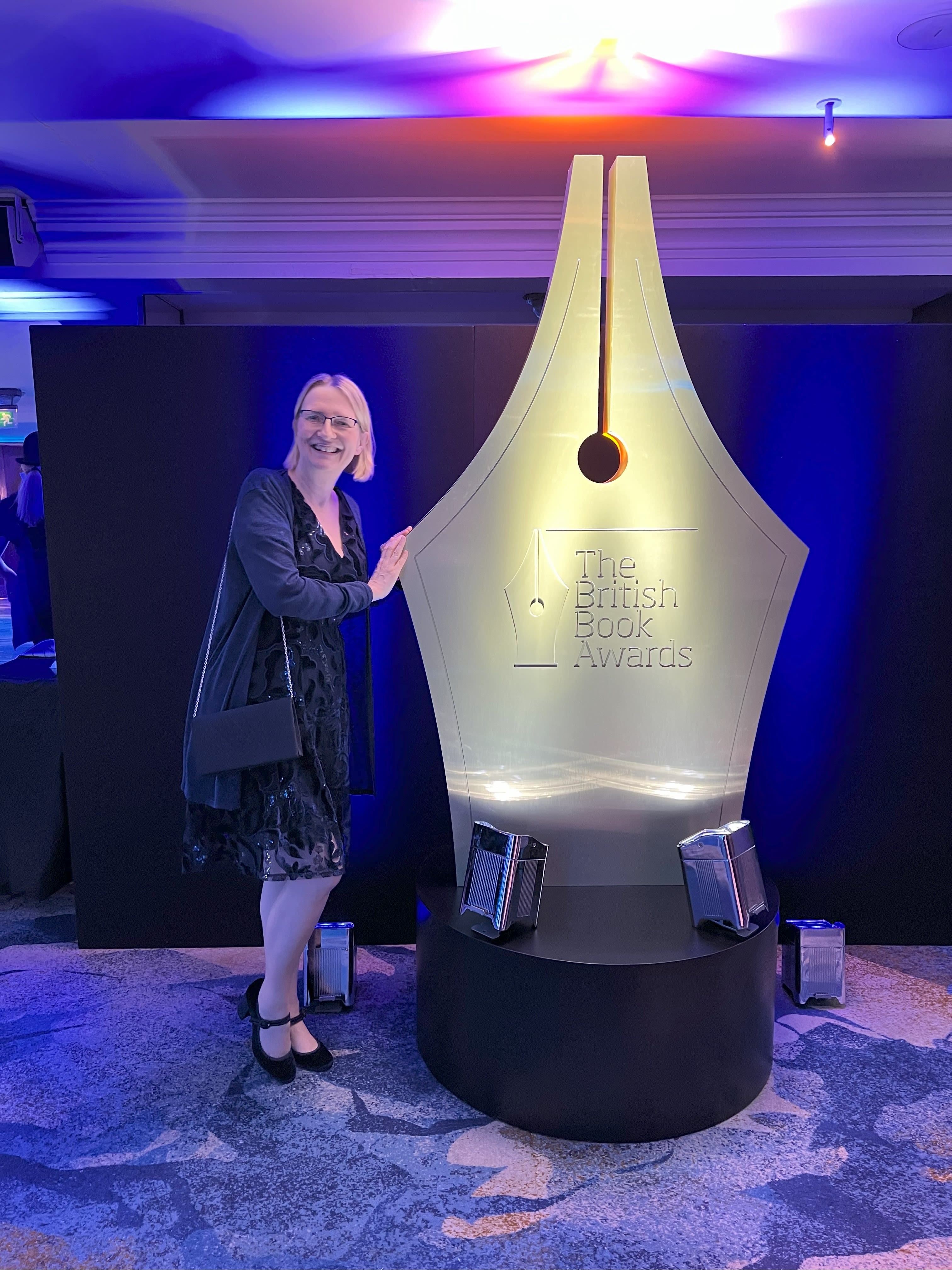
Janice at The British Book Awards 2023, where she won Crime & Thriller Book of the Year for her second novel, The Twyford Code.
Janice at The British Book Awards 2023, where she won Crime & Thriller Book of the Year for her second novel, The Twyford Code.
Life as an author
One challenge of being a novelist has been the public speaking required – I never expected it to be such a big part of the job! If I’d known, it might have put me off writing altogether. However, speaking at festivals, panels and podcasts has helped me grow in confidence. Writing has always come naturally to me, but I’ve had to work at finding my actual voice, and writing novels has played a key role in that.
There have been so many highlights along the way, with winning the Crime and Thriller British Book of the Year in 2023 for The Twyford Code being just one standout moment. Part of the novel is set at UCL, making it even more special.
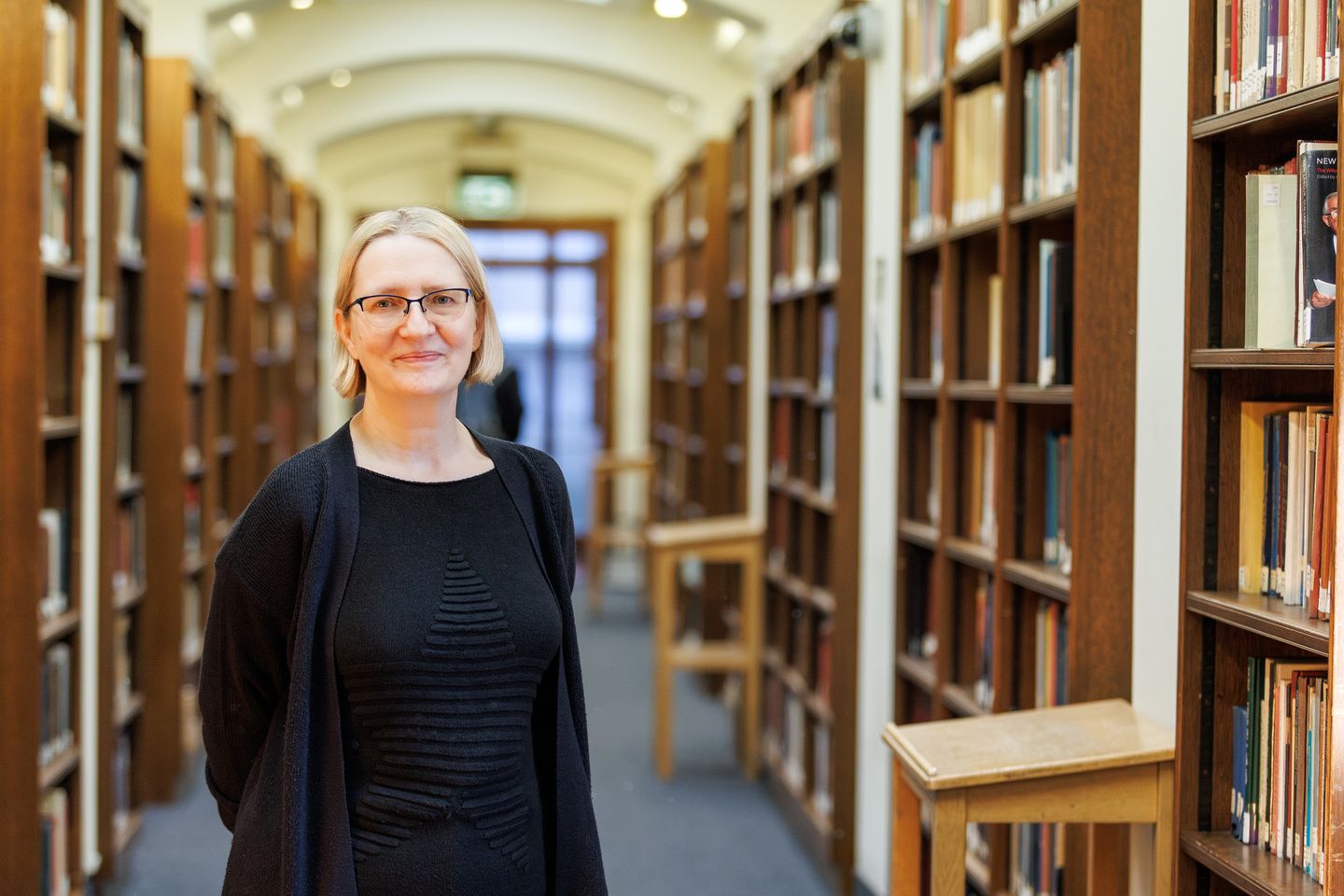
When I write my novels, I often find myself reflecting on my time at UCL and the books I read there. It feels like a full-circle moment: going from reading books at UCL to now writing my own.
It’s never too late to try new things
My route to becoming a novelist has been a roundabout, almost backward process. However, I believe it’s unfolded exactly as it was meant to. Each phase, with its many different writerly hats, has ultimately made me better at my craft. Journalism taught me discipline, the ability to write daily regardless of circumstances and how to meet deadlines; my experiences in screenwriting and playwriting helped me understand the intricacies of story structure.
Above all, I’ve learned that it’s never too late to try new things and find success. This is especially true in novel writing. You need life experience to truly capture the human condition, and I believe that’s a key ingredient for any novel.
Janice Hallett is the author of five best-selling novels.


Portico magazine features stories for and from the UCL community. If you have a story to tell or feedback to share, contact advancement@ucl.ac.uk
Editor: Lauren Cain
Editorial team: Ray Antwi, Laili Kwok, Harry Latter, Bryony Merritt, Lucy Morrish, Alex Norton
Shorthand presentation: Harpoon Productions
Additional design support: Boyle&Perks
Follow UCL


 Built with Shorthand