
Insider: Philippe Sands
The role of law
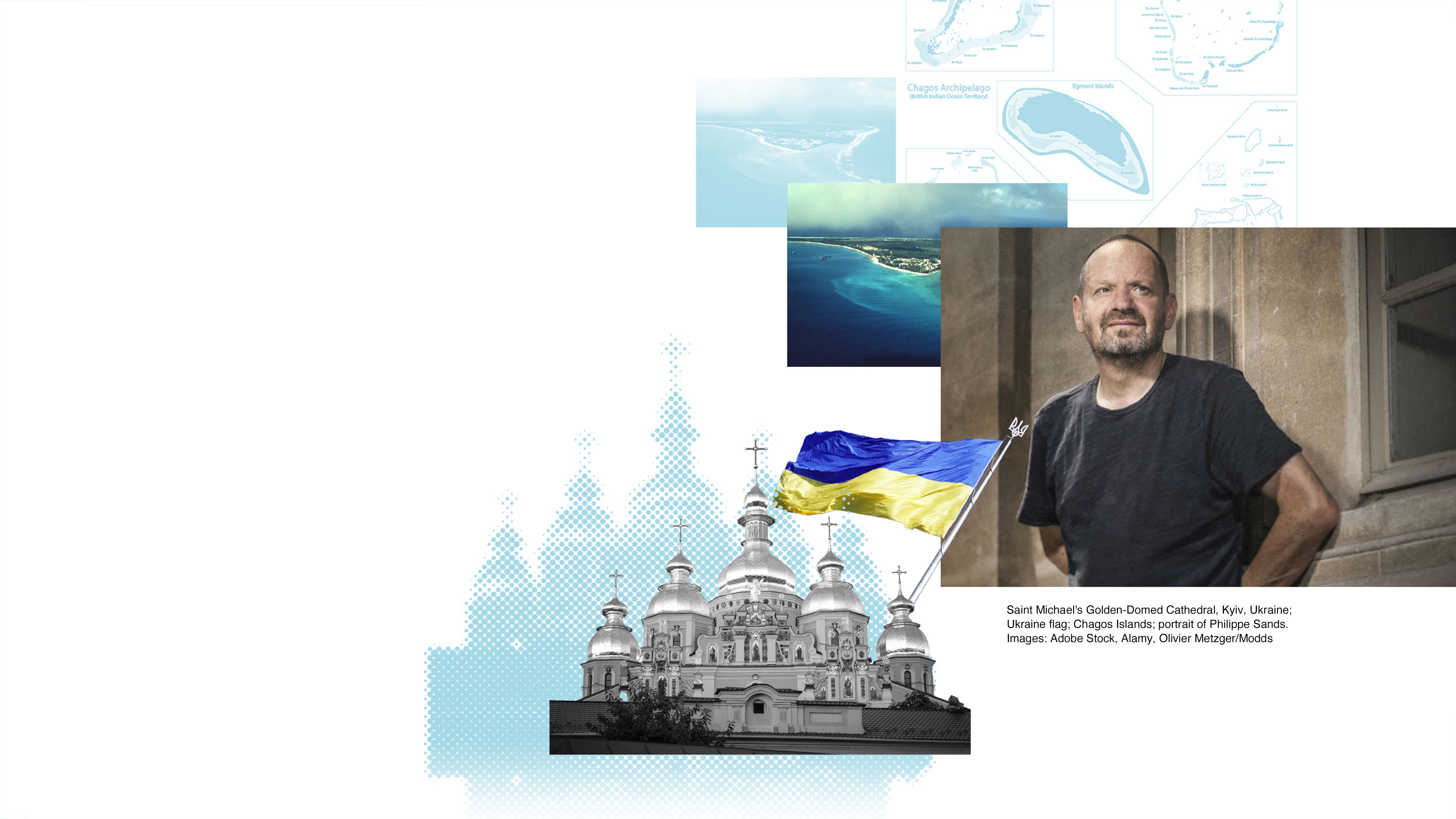
In the wake of the war in Ukraine and amid negotiations over the restitution of the Chagos Archipelago to Mauritius, Professor Philippe Sands explores the need for modern international law


People | Portico Magazine | Spring 2023

Insider: Philippe Sands
The role of law
In the wake of the war in Ukraine and amid negotiations over the restitution of the Chagos Archipelago to Mauritius, Professor Philippe Sands explores the need for modern international law

PEOPLE | PORTICO MAGAZINE | SPRING 2023

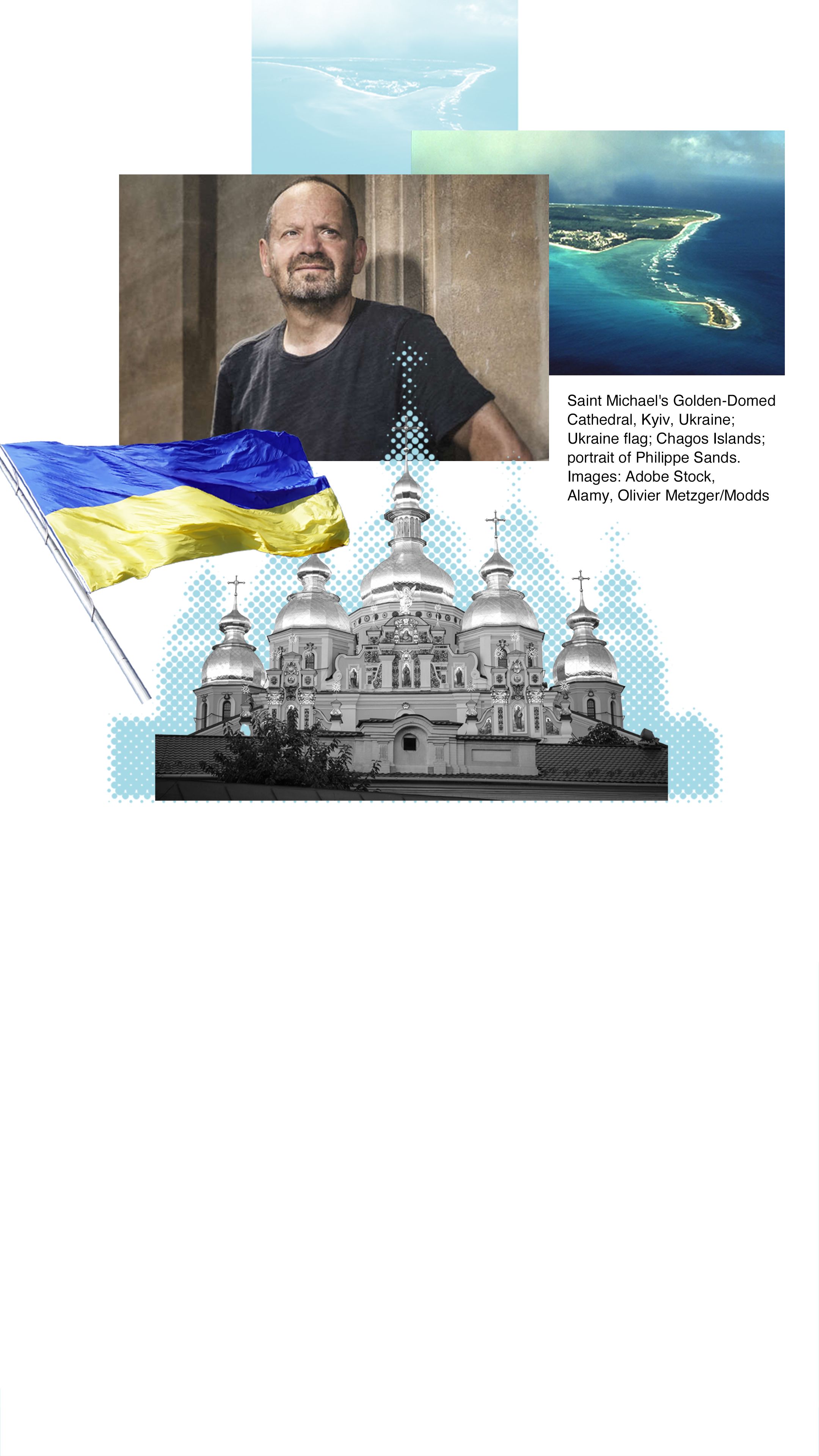
A couple of days after the Russian invasion, the Financial Times asked me to write an opinion piece on Ukraine. They came to me because of my book East West Street, and because I have spent a lot of time in Ukraine. I decided to focus on what I identified to be a gap in the international legal architecture.
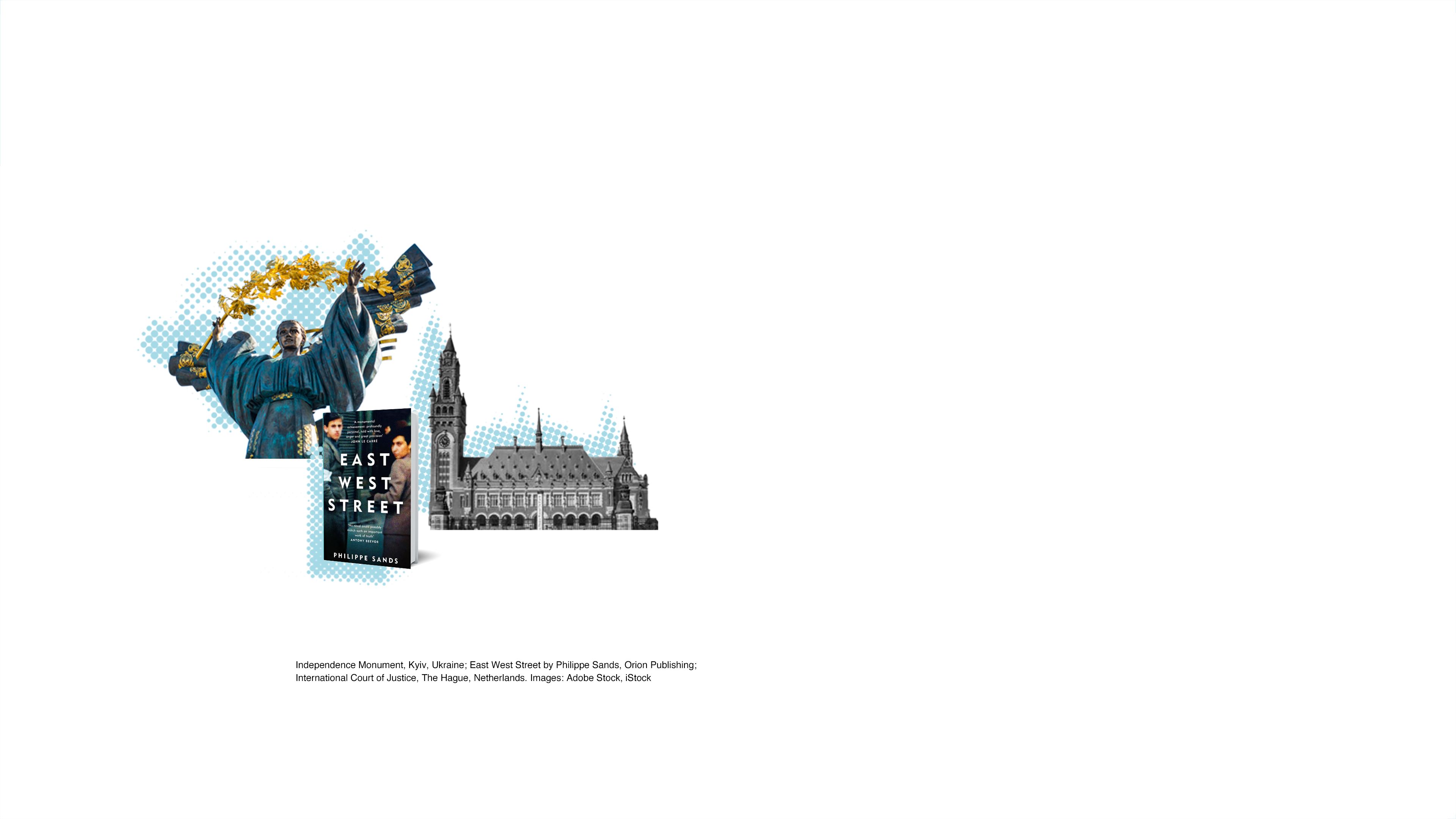
The International Criminal Court in The Hague has jurisdiction over war crimes, crimes against humanity and genocide, but it does not have jurisdiction over the crime of aggression. This could be seen as the central crime in this ongoing story, the waging of a manifestly illegal war, but for which the other crimes would not have occurred.
I thought it would be unfortunate if, say, four years after this war, a few junior soldiers were prosecuted for war crimes or crimes against humanity at the International Criminal Court in The Hague while the top table got off scot-free. So in the article, I proposed the creation of a special criminal tribunal for the crime of aggression.


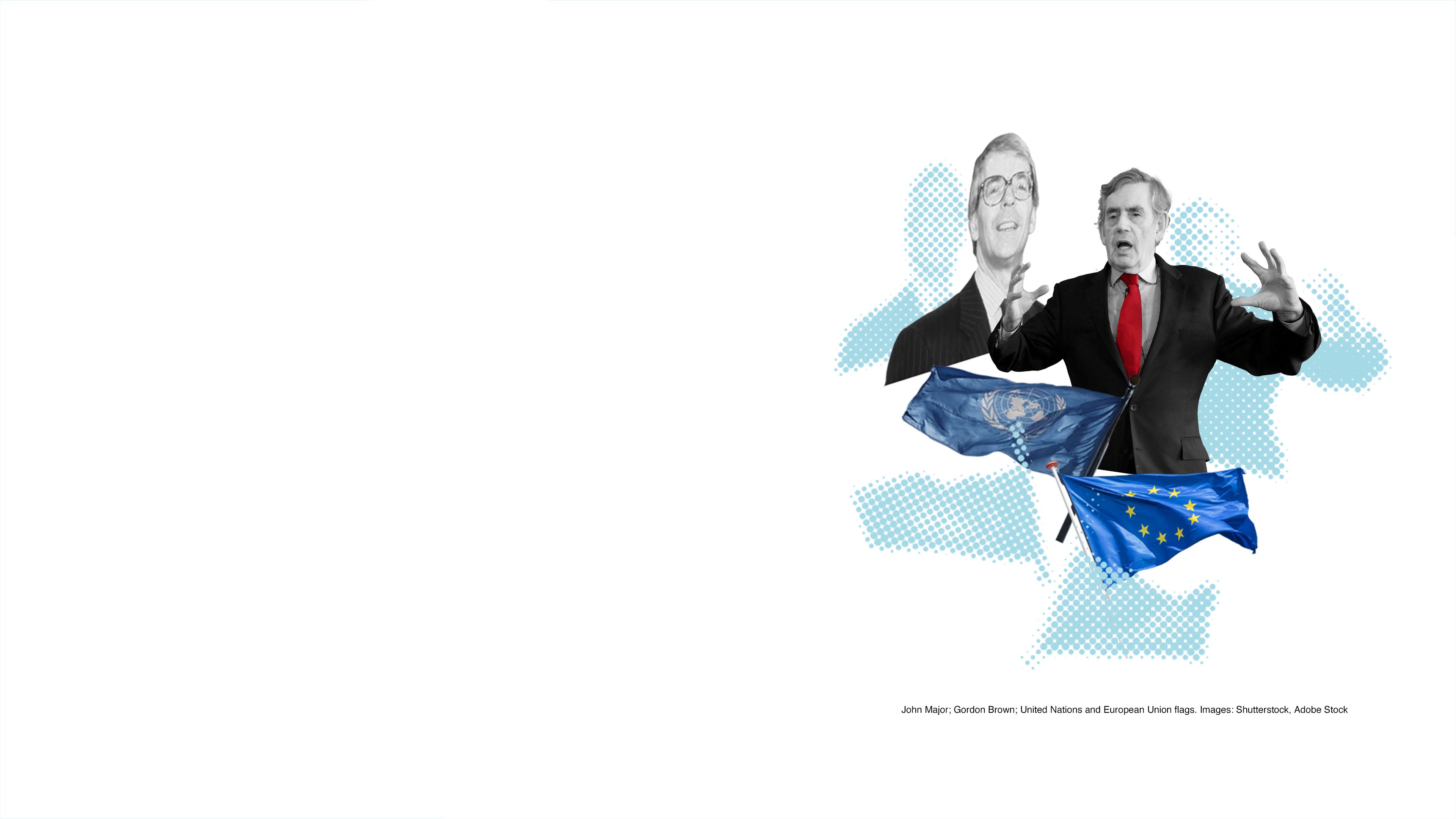
To my surprise, the article prompted an instant and overwhelmingly large response, led by two former British Prime Ministers, John Major and Gordon Brown. The latter introduced me to former heads of state and heads of government in Central and Eastern European countries, and then the Ukrainian government got in touch and took it up as a formal proposal.
Since then, there has been increasing support from governments and international organisations, and most recently, both France and the European Commission have offered their support. Various ideas are now circulating, and it is clear that it is now a matter of when, rather than whether, the first international tribunal on the crime of aggression since Nuremberg comes into being. Ideas really do matter, and writing an article can make a difference.
The question now is, over whom will that tribunal exercise jurisdiction? The crime of aggression is a leadership crime, so the focus must be on those involved in the decision to go to war and the decision to continue the war. However, if you create a special criminal tribunal for one permanent member of the Security Council today, why can’t you do it for another one tomorrow?
The elephant in the room is Iraq, which in the view of virtually every academic international lawyer was also illegal, and in the view of some, a crime of aggression. There is the sense that to create a special criminal tribunal for Russia would reflect a double standard – one rule for some countries, a different rule for others. The point has force, but not such as to deflect from efforts to do justice in relation to Russia’s manifest illegalities.
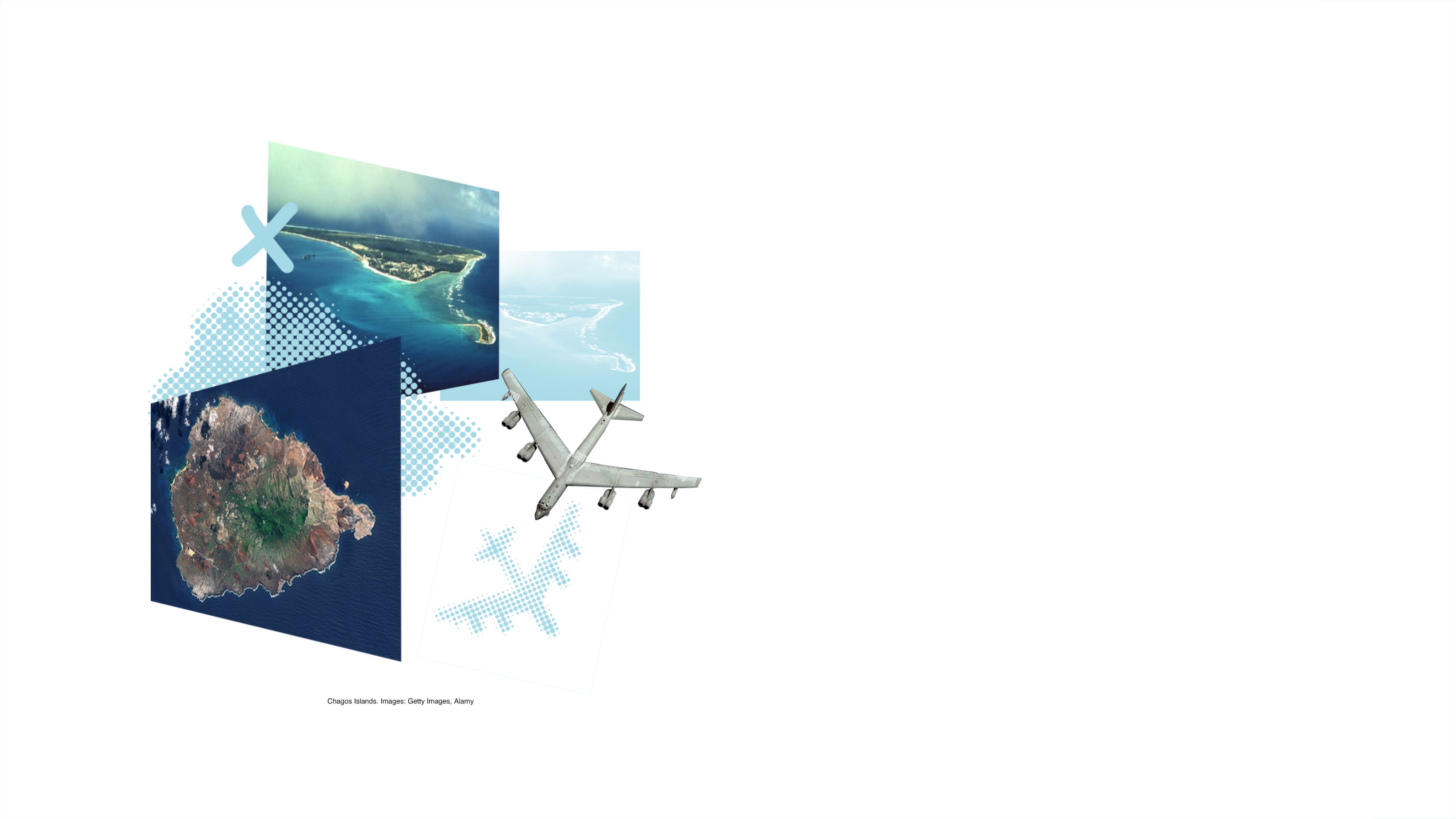


A group of Chagossians return to their homeland. Image: Philippe Sands
A group of Chagossians return to their homeland. Image: Philippe Sands
International law is not only vital in times of war. For the past 12 years, I have been counsel for Mauritius, working with the government on a legal strategy to recover the Chagos Archipelago, illegally separated from the former colony by the United Kingdom in 1965.
My latest book, The Last Colony, tells the story of this painful and long-running tragedy through the prism of Liseby Elysé, one of the entire population of Chagossians who were forcibly deported from their homes. Human Rights Watch has characterised the abuse as a crime against humanity.
The legal strategy culminated in the International Court of Justice (ICJ) in The Hague and the International Tribunal for the Law of the Sea (ITLOS) ruling that the UK was illegally occupying this part of Africa. The United Nations General Assembly ordered the UK to end its unlawful administration of Chagos, which it calls the British Indian Ocean Territory, by November 2019.
Were it not for international laws on self-determination and decolonisation, and the roles played by the UN, ICJ and ITLOS, I would not have joined a group of Chagossians last February in a visit to Chagos and their homeland. It was an intensely powerful experience.
Negotiations are now formally underway for an agreement that will respect the sovereignty of Mauritius, allow the US military base to continue to operate at Diego Garcia, allow the Chagossians to return to their homes, and contribute to the establishment of a state-of-the-art marine protected area for the conservation of the archipelago.
Ultimately, it should be a win for everyone, and I want to pay credit to so many of my colleagues at UCL who have contributed to or supported the effort, not least some of my students.
I work with extraordinary scholars, administrators and students, and deeply appreciate the support UCL has given me over the past 25 years to develop projects such as these and others, such as the writing of my book East West Street. This is about to be translated into its 30th language, which I am delighted to say is Arabic. It is a reflection of UCL’s depth and openness that I and others have been able to work on such issues.

Right now, I am turning my attention to preventing the government taking forward policies that could cause the UK to leave the European Convention on Human Rights. This would be catastrophic and tragic, not least because the UK was so deeply involved in its creation. Thankfully, we are now beginning to see various members of the government recognise that the nationalistic, isolationist approach forged over the past years is causing Britain to suffer deeply, not least in reputation.
From my vantage point, Britain’s international reputation has suffered a cataclysmic fall, a toxic consequence of acts that include the war in Iraq and Brexit, and a failure to treat its colonial past with a decent eye. I want Britain to reconnect with the rule of law and take a principled and cooperative approach to its place in the world.
Philippe Sands KC is Professor of the Public Understanding of Law and Director of the Project on International Courts and Tribunals



Portico magazine features stories for and from the UCL community. If you have a story to tell or feedback to share, contact advancement@ucl.ac.uk
Follow UCL


 Built with Shorthand