
Inspired By: Kevin Fong
Stellar ambitions
From a childhood dream of becoming an astronaut to trailblazing work in space medicine, emergency care and science communication, Professor Kevin Fong's (UCL Astrophysics BSc 1993; Medicine MBBS 1998) journey has been unconventional from the start.


People | Portico Magazine | Autumn 2025
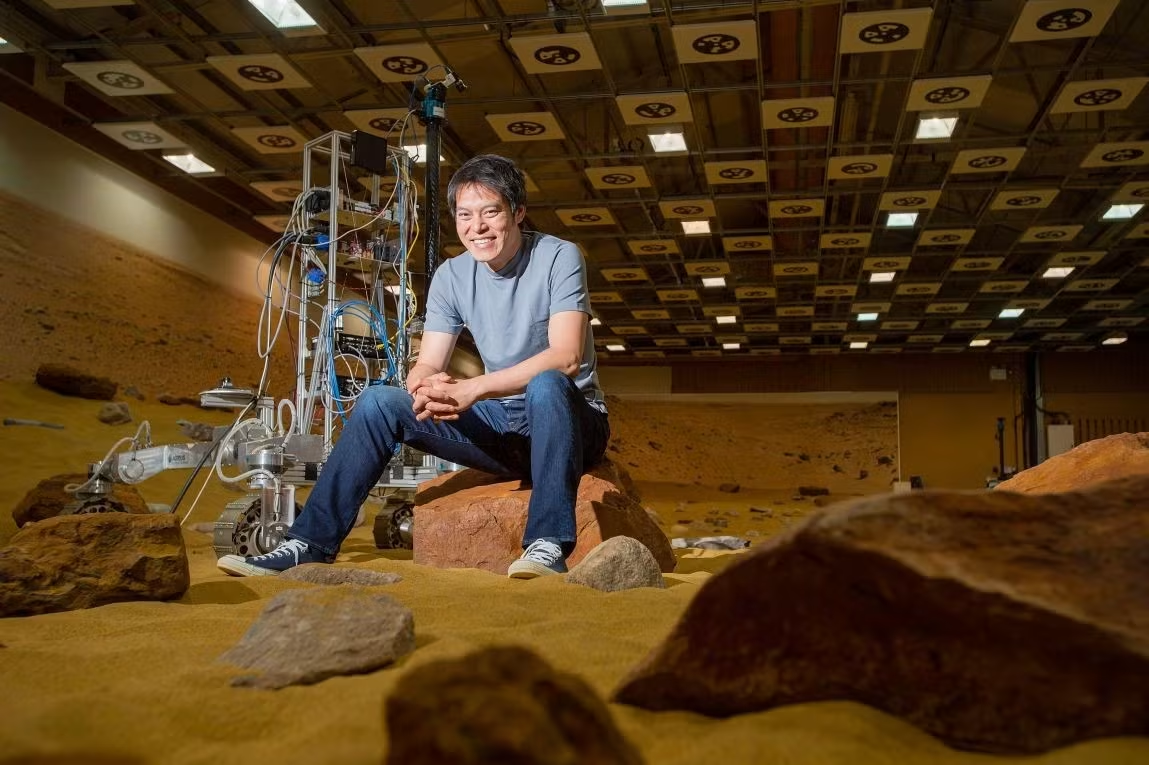

I was a poorly prepared teenager when I applied to study at UCL. UCAS (or UCCA as it was known back then) was alphabetically arranged, and astrophysics at UCL was about as far as I got. I really didn't understand the university system, though I did know I was good at maths and interested in space.
I went to the open day and loved the feel of the place. Professor Don Davies pointed out MI5 headquarters on the corner of Gower Street, which sounded very exciting to an impressionable 18-year-old.
The sliding doors moment
That decision to come to UCL turned out to be the most important of my life. If I hadn't studied astrophysics here, with a medical school just across the road, I'm not sure it would have occurred to me to become a doctor later.
I wasn't the star student during those three years, but my tutors were extraordinarily patient. I would spend a lot of time in their offices saying, "I don't really understand what that whole lecture about quantum physics was about. Can you explain it again?". They pulled me through that course and moved me forwards in terms of my own confidence.
By the end, I was thinking about doing a PhD in medical physics. Then a funny thing happened. While working for the University of London student newspaper, I ran into a medical student at St Bart's Hospital and explained I was planning to do a medical physics PhD. He said, "Oh yeah, I did that" – meaning he'd done physics first, then medicine. I realised it was the medicine more than the physics that interested him. And I thought that’s exactly what's going to happen to me. So I just took a short cut and went straight to medical school.

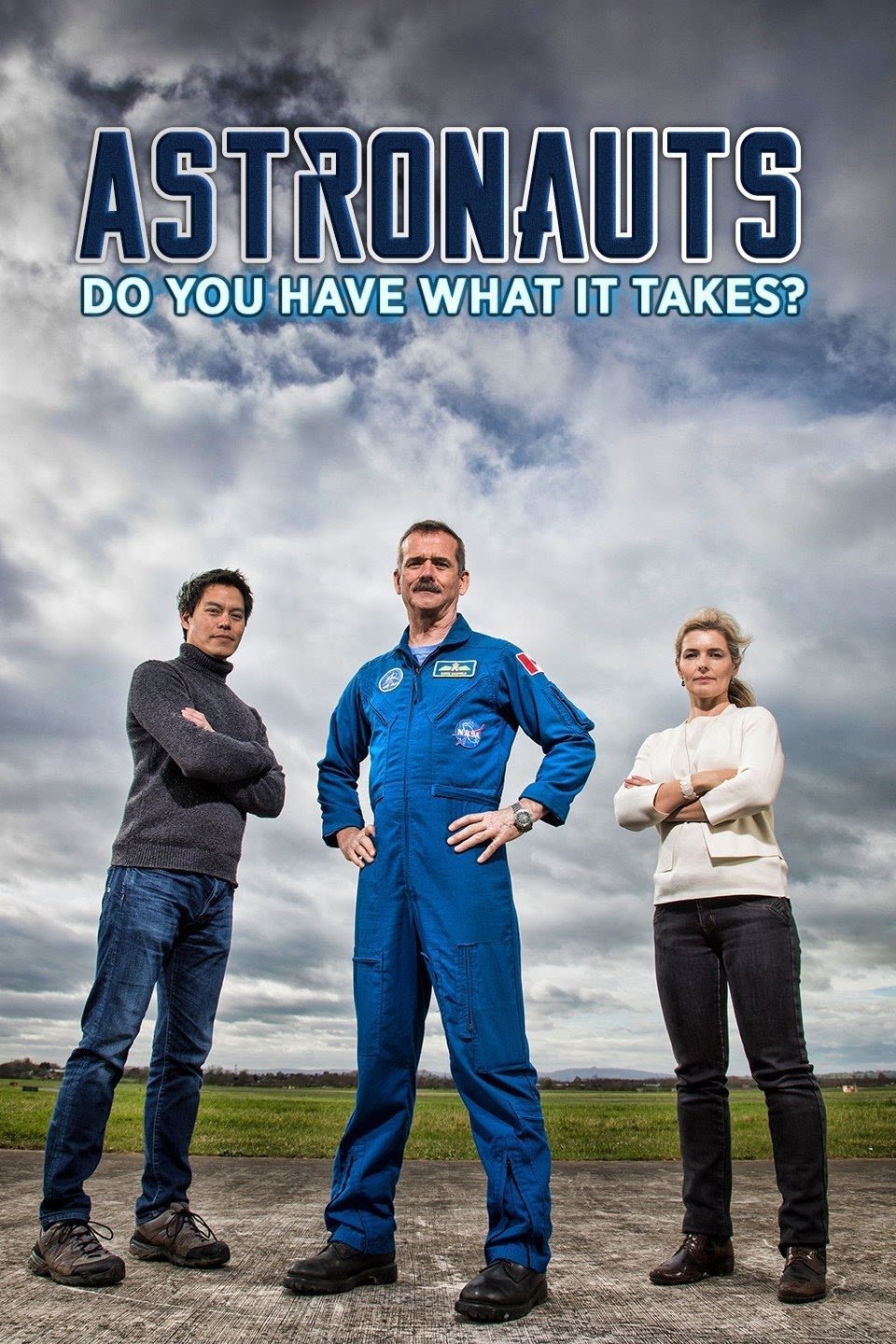
Kevin Fong presenting the BBC's Astronauts: Do You Have What it Takes? alongside Chris Hadfield and Dr Iya Whiteley in 2017.
Kevin Fong presenting the BBC's Astronauts: Do You Have What it Takes? alongside Chris Hadfield and Dr Iya Whiteley in 2017.
Chasing stars
My parents were clever. They realised that space exploration – everywhere in the 1970s and early 80s because Project Apollo was still sharp in people's memory – could drive my interest in science. I became obsessed, and even at the end of my medical degree I couldn't shake it.
I wrote to NASA saying, "I've got degrees in astrophysics and medicine. Surely there must be a job for me?" They replied saying I couldn’t work for NASA as I wasn’t an American citizen, but suggested I apply to their undergraduate training programme. By some miracle, I got on. It was like Disney World for adults.
For the next 10 years, I kept going back however I could, during breaks and annual leave. I just became part of the furniture. It was all self-funded until fellowships from Nesta and Wellcome Trust gave me the freedom to develop – open-ended investments in the true spirit of exploration.
The final selection
In 2021, the European Space Agency announced a new astronaut class and raised the upper age limit. I was 50 the day after the closing date, so I applied in the spirit of a football fan invited to their favourite club’s talent spotting day. You know you're not going to make it, but you go anyway.
Amazingly, I got through to Hamburg. Then Cologne. Then Toulouse – the last 91 candidates from 23,000. But there were some minor medical issues which didn't disqualify me but gave ESA pause for thought. In the debrief they told me: "You've got a great career. Median time to fly is six years. It might be as long as ten. If you got to 60, hadn't flown, and these small medical problems got big enough that we couldn't qualify you for flight, you'd be very disappointed”.
I was absolutely gutted. My head knows it was the right decision, but my heart still feels the wound.
The consolation prize
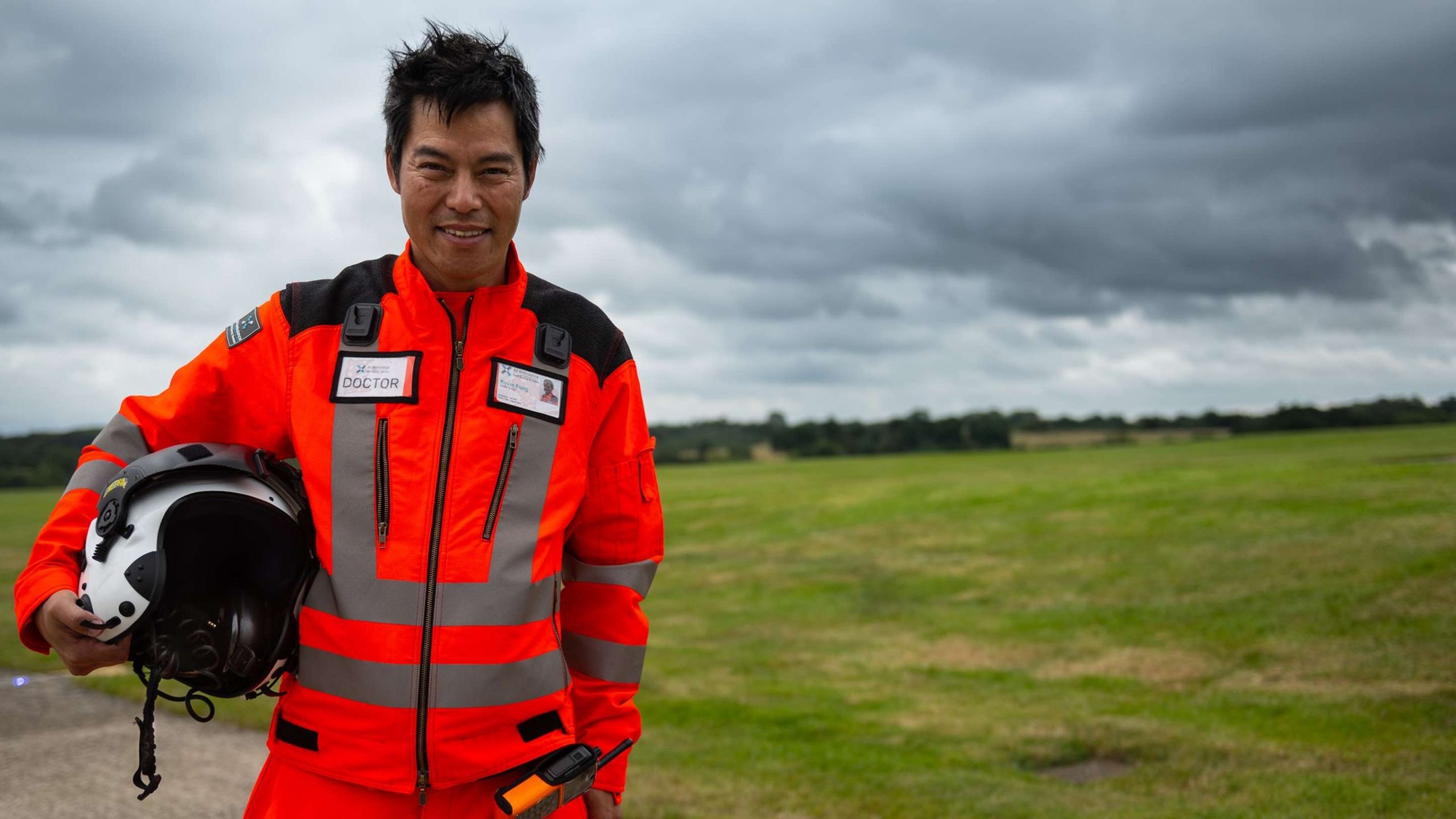
So I didn't become an astronaut, which was my childhood dream, but the consolation prize is as good as the prize itself. I work as a consultant anaesthetist at UCLH, fly with Air Ambulance Charity Kent Surrey Sussex and have given the Royal Institution Christmas Lectures – the same lectures I watched as a child that sparked my imagination.
My advice to UCL students with seemingly impossible dreams? You've got to try. My career feels mostly like luck, but I’ve also filled a lot of bottles with wishes and thrown them into the sea. Occasionally, one or two have washed up and it’s the hard work you put in that allows you to capitalise on the good luck. Put simply, you've got to keep shooting for stuff. With UCL behind you, incredible things can happen.
Kevin Fong is a consultant anaesthetist at University College London Hospitals (UCLH), Professor of Public Engagement and Innovation in UCL's Department of Medical Physics & Biomedical Engineering, and a science broadcaster.



Portico magazine features stories for and from the UCL community. If you have a story to tell or feedback to share, contact advancement@ucl.ac.uk
Editor: Lauren Cain
Editorial team: Ray Antwi, Laili Kwok, Harry Latter, Bryony Merritt, Lucy Morrish, Alex Norton
Shorthand presentation: Harpoon Productions
Additional design support: Boyle&Perks
Follow UCL


 Built with Shorthand