
Breakthroughs
Advancing people and planet
The eyes of the new Mars rover, indigenous methods for exploring environmental justice in South Africa and medical developments that save eyesight and expedite Parkinson's diagnoses. Read some of the newest breakthroughs from each of UCL's faculties.


Features | Portico Magazine | Autumn 2025


Breakthroughs
Advancing people and planet
The eyes of the new Mars rover, indigenous methods for exploring environmental justice in South Africa and medical developments that save eyesight and expedite Parkinson's diagnoses. Read some of the newest breakthroughs from each of UCL's faculties.
Features | Portico Magazine | Autumn 2025

Woman's eyesight saved by breakthrough genomic technology
UCL Population Health Sciences

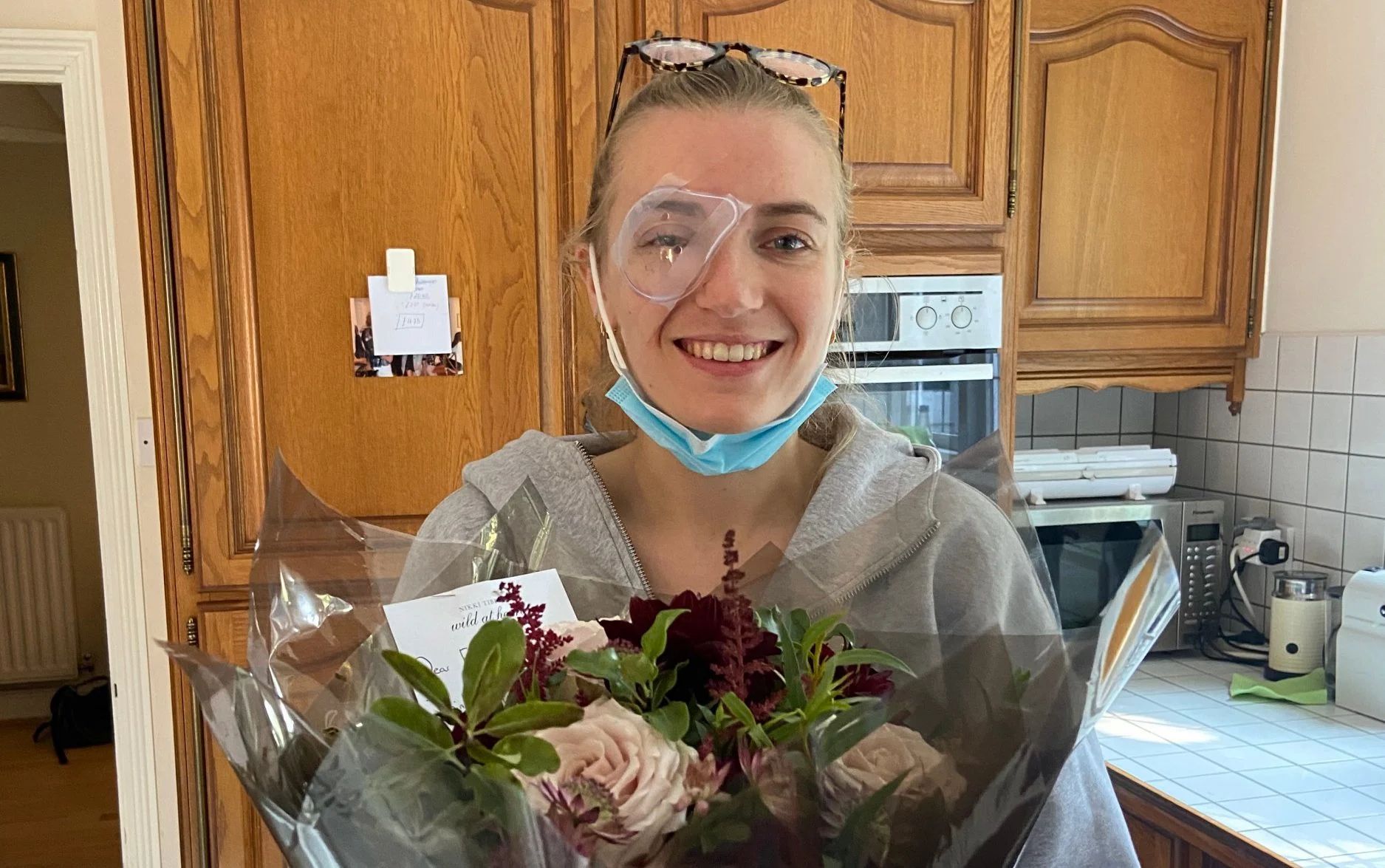
Ellie smiling and holding flowers with a bandage on her eye. Credit: GOSH
Ellie smiling and holding flowers with a bandage on her eye. Credit: GOSH
A new test developed by researchers at UCL and Great Ormond Street Hospital for Children (GOSH) has saved a woman’s eyesight by identifying a bacterial infection that was previously undetected by other tests.
The test, developed by the GOSH metagenomics team, can identify bacterial, viral and other kinds of infections from patient samples using an innovative sequencing genomic technique.
The patient, named Ellie, had been experiencing problems with her right eye since 2019. An initial diagnosis incorrectly categorised the issue as an autoimmune condition, with provided treatment proving to be ineffective for five years. Despite receiving infusions and taking both tablets and daily eye drops, her condition only continued to worsen, resulting in her requiring cataract surgery.
After trying every available test, Ellie considered having her affected eye removed. However, upon learning about the metagenomics test, Ellie and her clinical team at Moorfields Eye Hospital NHS Foundation Trust worked with the team to sequence a sample from her infected eye. This revealed a strain of the bacterial infection Leptospirosis and Ellie was given a course of antibiotics which cleared the infection completely in a matter of weeks.
Ellie was able to celebrate her wedding day this past March without the need for steroids or eye drops.
Thanks to research investment and collaboration between Professor Breuer’s research team at UCL Great Ormond Street Institute of Child Health and the clinical teams within GOSH, this innovative test can be used to quickly identify infections in regions such as the central nervous system and respiratory system, allowing for earlier diagnoses and treatment.
Read the full story: Cutting-edge genomic technology saves woman’s eyesight
All ‘eyes’ on the Rosalind Franklin Mars rover
UCL Mathematical & Physical Sciences

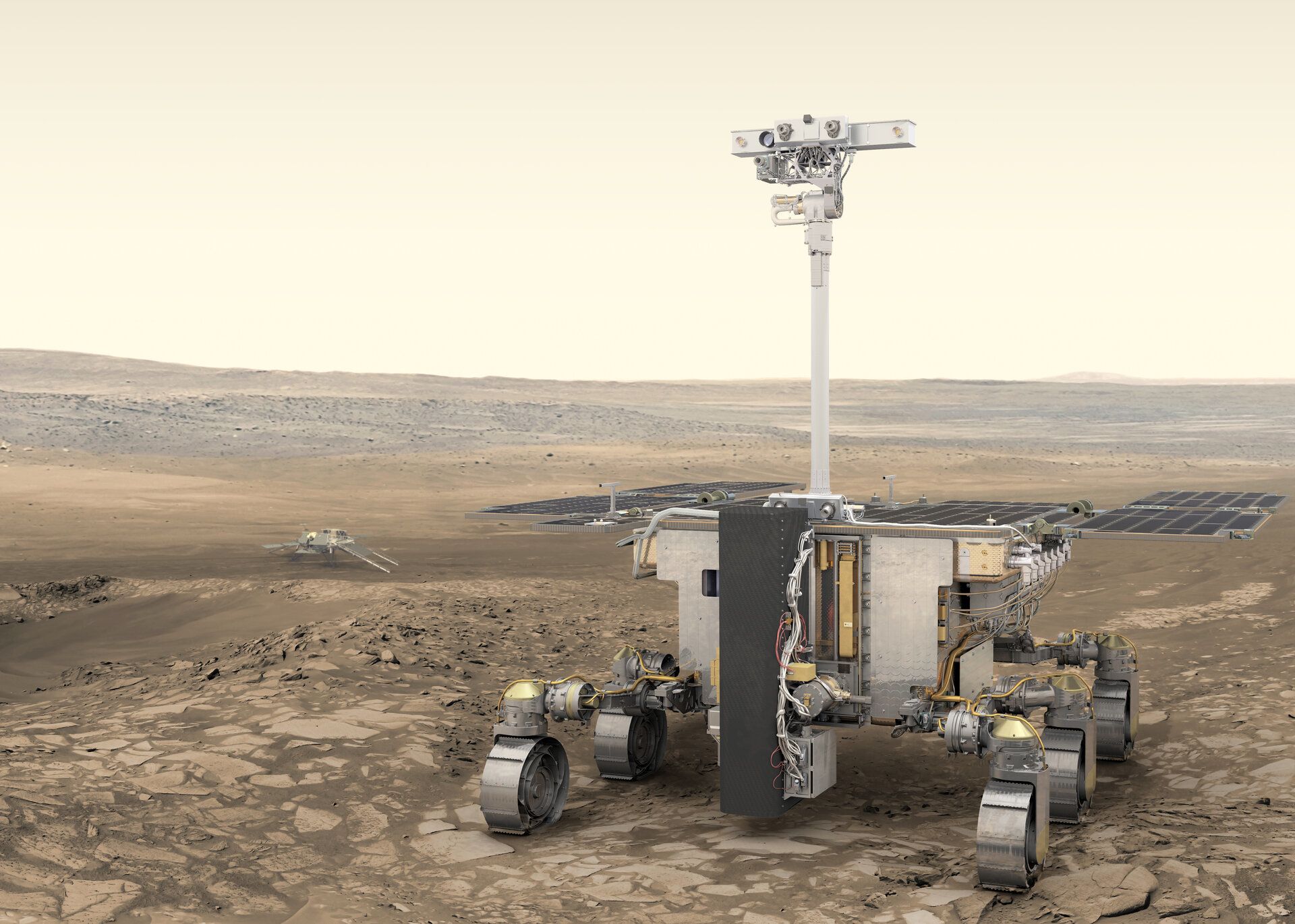
ExoMars rover rolling on dirt terrain. Credit: The European Space Agency
ExoMars rover Credit: The European Space Agency
The first UK-built Mars rover, the Rosalind Franklin, will depart for its mission in 2028 using a panoramic camera system (PanCam) developed by researchers at UCL’s Mullard Space Science Laboratory.
Appropriately named after the British scientist whose work was instrumental towards understanding the molecular structures of DNA, the Rosalind Franklin rover will drill two meters into Mars’ surface to search for signs of ancient life.
Dr Louisa J Preston, a co-investigator on two of the rover’s instruments, the PanCam and Enfys, said: “The Rosalind Franklin rover mission will be a unique, ground-breaking mission: the first to drill two metres into the crust of Mars, collecting and analysing samples that are up to four billion years old, with the goal of discovering evidence of past or even present life hidden beneath the surface.”
Originally scheduled to depart in 2022 in cooperation with Russia, the launch was postponed due to the invasion of Ukraine. The craft was then refurbished to have parts exclusively from Europe, including the PanCam and an infrared spectrometer called Enfys which was made by Aberystwyth University with support from UCL. This will be the UK’s first ‘home-grown’ rover on Mars.
The PanCam will act as the ‘eyes’ of the rover, working with Enfys to help investigators decide where to drill for signs of life and will identify minerals that could potentially harbour life.
After the build is complete in Stevenage, the launch of the Rosalind Franklin rover is scheduled to take place with the support of NASA in 2028 with projected landing to occur in 2030.
Read the full story: UK firm to land Mars rover with UCL-built ‘eyes’



Insurer involvement in loss prevention could protect communities
UCL Laws


A large plume of smoke rising near a building. Credit: Daniel Lincoln for Unsplash
A large plume of smoke rising near a building. Credit: Daniel Lincoln for Unsplash
While climate change continues to lead to more frequent and extreme weather events such as wildfires, hurricanes and flooding, insurers can play a role in loss prevention to preserve communities and ensure sustainability of the insurance industry, argues Dr Franziska Arnold-Dwyer of UCL Laws.
Published by the Social Science Research Network, Dr Arnold-Dwyer's research asserts that the current focus on reactive post-disaster recovery by insurers leads to higher premiums and loss of coverage for the insured. However, if insurers instead revitalised their role to play a part in preparedness, this will economically benefit both the insurer and the consumers.
According to what Dr Arnold-Dwyer calls the “virtuous circle of loss prevention,” by fostering more loss-preventative measures, assets in areas that are more prone to natural hazards will be more insurable, closing protection gaps and leading to long-term business growth.
This benefits all parties and creates a more ethical and business-sustainable approach to a future where the climate emergency continues to progress.
Dr Arnold-Dwyer said: “The climate emergency is a collective endeavour, and the insurance industry needs to undertake climate adaptation measures. The situation demands it, and it also makes business sense.”
Read the full story: Natural disaster loss prevention brings humanitarian and economic benefits
Reducing the environmental impact of generative AI
UCL Engineering


Long corridor between different computer servers. Credit: Jason Marz for Getty Images
Long corridor between different computer servers. Credit: Jason Marz for Getty Images
Research from UCL Computer Science published in a UNESCO report has revealed practical solutions to reduce the energy and resource demands of generative AI.
From online searches to image generation, generative AI is rapidly expanding to address billions of requests daily. As AI technology continues to become more integrated into our everyday lives, concern about environmental impact and sustainability of generative AI technologies continues to build.
Data centres housing AI servers consume large amounts of water and electricity while producing electronic waste, meaning that as the demand for AI integration increases, so will the environmental impact of these centres.
The report combined the results of two experiments conducted on Meta’s LLaMA 3.1 8B model aimed at finding simple solutions to save energy.
The first experiment found that using fewer decimal places to round down numbers in tokenisation calculations reduced energy usage of the LLaMA model by up to 44% while maintaining at least 97% accuracy.
The second experiment explored the impact of shorter prompts by the user and shorter answers by the model. Halving the model response length reduced energy use by more than half, while shorter user prompts saved only a small percentage of energy.
The report concluded that implementing both measures could reduce generative AI energy consumption by 75%. Additionally, using smaller, more specialised models for simpler tasks such as translation and summarisation could further save energy.
Dr Maria Perez Ortiz (UCL Computer Science), report co-author, said: “The strategies proposed in our report not only reduce the energy expenditure and improve model speed, but they also require considerably less computational power and resources.
“They are readily accessible, and some are already used for this purpose by the newer and upcoming generation of AI models.”
Read the full story: Practical changes could reduce AI energy demand by up to 90%



How menopause can affect women’s earnings after diagnosis
UCL Social & Historical Sciences


Businesswoman working on laptop in office. Credit: Westend61 for Getty Images
Businesswoman working on laptop in office. Credit: Westend61, Getty Images
A new study published by the Institute for Fiscal Studies at UCL has found that women experience a reduction of earnings in the years following their menopause diagnosis.
Researching economists at UCL, University of Bergen, Stanford University and University of Delaware analysed data from Sweden and Norway, concluding that women experience an average of 4.3% reduction in their earnings in the four years following a menopause diagnosis, with losses increasing to 10% by the fourth year.
The researchers looked at women born between 1961-1968 who had a menopause-related diagnosis between the ages of 45-55.
Their research suggested that menopause symptoms can significantly impact work patterns as they found that the primary factor for the reduction in earnings was due to a decrease in the likelihood of working and a reduction of contracted hours worked. Additionally, the likelihood of claiming disability insurance benefits increases by nearly 5% in the four years following a menopause diagnosis.
Lead author Professor Gabriella Conti from UCL Economics says, “Our findings suggest that better information and improved access to menopause-related care are crucial to eliminating the menopause penalty and ensuring that workplaces can better support women during this transition.”
Read the full story: Women’s earnings fall 10% four years after menopause diagnosis
New biomarker test could help diagnose Parkinson’s disease more quickly
UCL Brain Sciences


Interconnected neurons cells with electrical pulses. Credit: koto_feja for Getty Images
Interconnected neurons cells with electrical pulses. Credit: koto_feja for Getty Images
A study by UCL Queen Square Institute of Neurology researchers has found that a biomarker called the α-synuclein seed amplification assay (SAA) may help improve diagnoses Parkinson’s disease.
Many of the symptoms of Parkinson’s disease are shared with other conditions such as progressive supranuclear palsy, leading to misdiagnosis. The results of this study could lead to earlier detection and diagnosis by helping distinguish the disease from other similar disorders.
The biomarker detects the build-up of clumping of α-synuclein, a key protein in the brain that is linked to Parkinson’s disease. The researchers assessed the ability of the biomarker’s kinetic measures to predict disease progression through a longitudinal study spanning 13 years.
The researchers collected and analysed data from three cohorts of 1,631 participants: one group with Parkinson’s disease, another with progressive supranuclear palsy and a final group of healthy controls.
Over this period, the researchers compared how quickly and strongly the α-synuclein protein clumped together, finding that α-synuclein SAA was positive in 96% of Parkinson’s disease samples along with a small number of samples with supranuclear palsy.
However, the researchers found that the speed and strength of the clumping distinctly varied between the two, reinforcing Parkinson’s disease’s association with faster progression than supranuclear palsy.
The research could enable clinicians to not only more easily diagnose Parkinson’s disease but also predict which patients may be more likely to experience cognitive decline, leading to improved prognoses and care.
Read the full story: Parkinson’s disease test predicts cognitive decline and distinguishes it from similar disorders


Disparities in post-graduation hiring trends
UCL Institute of Education


Graduating students tossing their caps in the air.
Graduating students tossing their caps in the air.
A new study by UCL Institute of Education researchers has found a downward trend in graduate employability for candidates from state-educated, working-class and ethnic-minority backgrounds.
Working with application data from 17 large employers in the UK across both the public and private sectors, the researchers analysed data from over 250,000 graduate job applicants between 2023 and 2024.
In 2024, graduates who were privately educated were 20% more likely to receive an offer than their comparable state-educated peers – a rise of 7% from the previous year. There were also differences when ethnicity was considered, with white, privately educated candidates 21% more likely to receive a job offer than white, state-educated applicants. State-educated applicants from ethnic-minority backgrounds were 32% less likely to secure an offer.
While the gap between Black and White applicants receiving offers fell between 2022-2024, the researchers suggest that gains from employers hiring more Black applicants came at the expense of other ethnic minority groups. They found that inequalities in offers across socioeconomic background, gender and ethnicity were more pronounced in 2024 than in 2023.
The researchers suggest that diversity initiatives within the recruitment process can help ensure equitable diversity and that employers should examine and consider enhancing existing schemes to ensure equitable chances of employment.
Read the full story: UK’s top firms hiring fewer diverse graduates as competition surges
Right place in the right time: understanding timing mechanisms in cell development
UCL Life Sciences

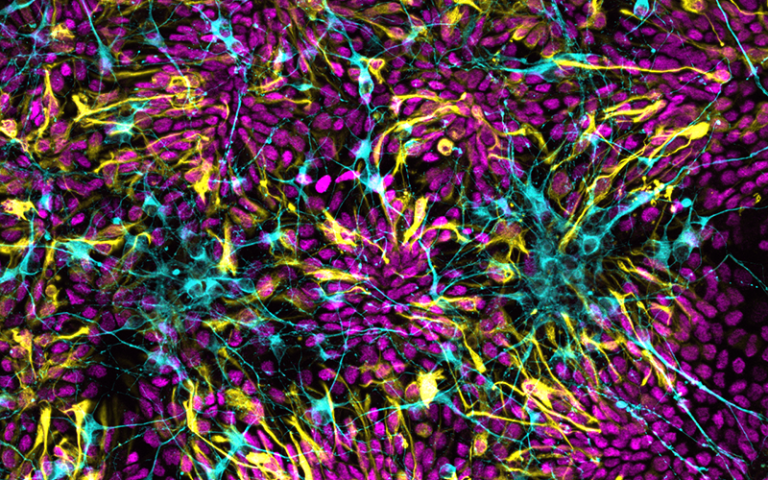
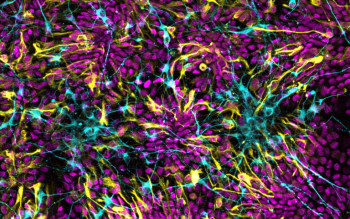
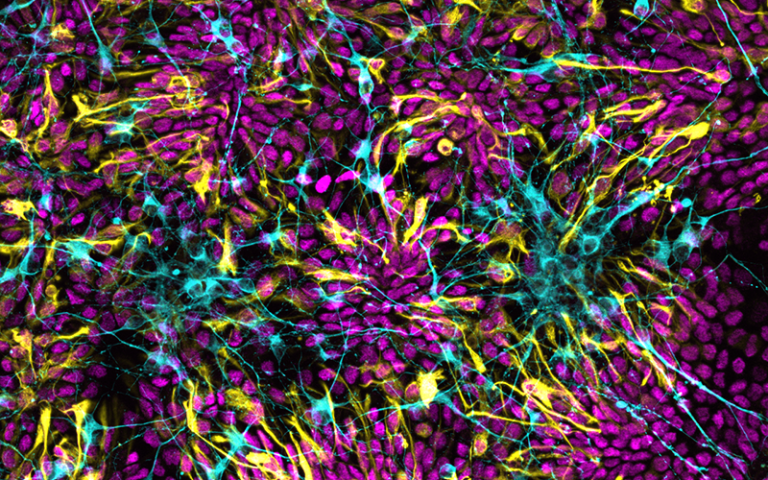
Spinal cord neural progenitors differentiated from mouse embryonic stem cells in magenta, yellow and cyan. Credit: Isabel Zhang
Spinal cord neural progenitors differentiated from mouse embryonic stem cells in magenta, yellow and cyan. Credit: Isabel Zhang
Research by UCL Faculty of Life Science and the Francis Crick Institute has found that the formation of cell identity relies on a timing mechanism in addition to the spatial location of the cell, in order to fully develop.
Temporal cues dictate the opening of different regions of DNA at different developmental windows which guides the formation of the individual neural cell types.
While it has been established that cells need to be in the right place at the right time to be able to develop, this research shows how the timing aspect of this equation affects cell development.
By understanding the transcription roles of the regulating factors such as Nr6a1, we can better grasp how cells can produce progenitors and form into specialised cell types. While spatially similar progenitors can develop different cells, this occurs over time as new regions of the genome become accessible.
The study has important implications for the future of stem cell research. Mimicking spatial cues is only one aspect of cell development: the temporal clock is critical within the choreography of this process. While methods are currently limited in this area, this breakthrough provides a new research focus and pathway to further comprehend the intricacies of cell development.
Read the full story: New study reveals how timing mechanisms shape cell identity during spinal cord development

Relief from dry mouth for cancer radiotherapy survivors
UCL Medical Sciences
Female doctor examining a patient's neck with equipment. Credit: ljubaphoto for Getty Images
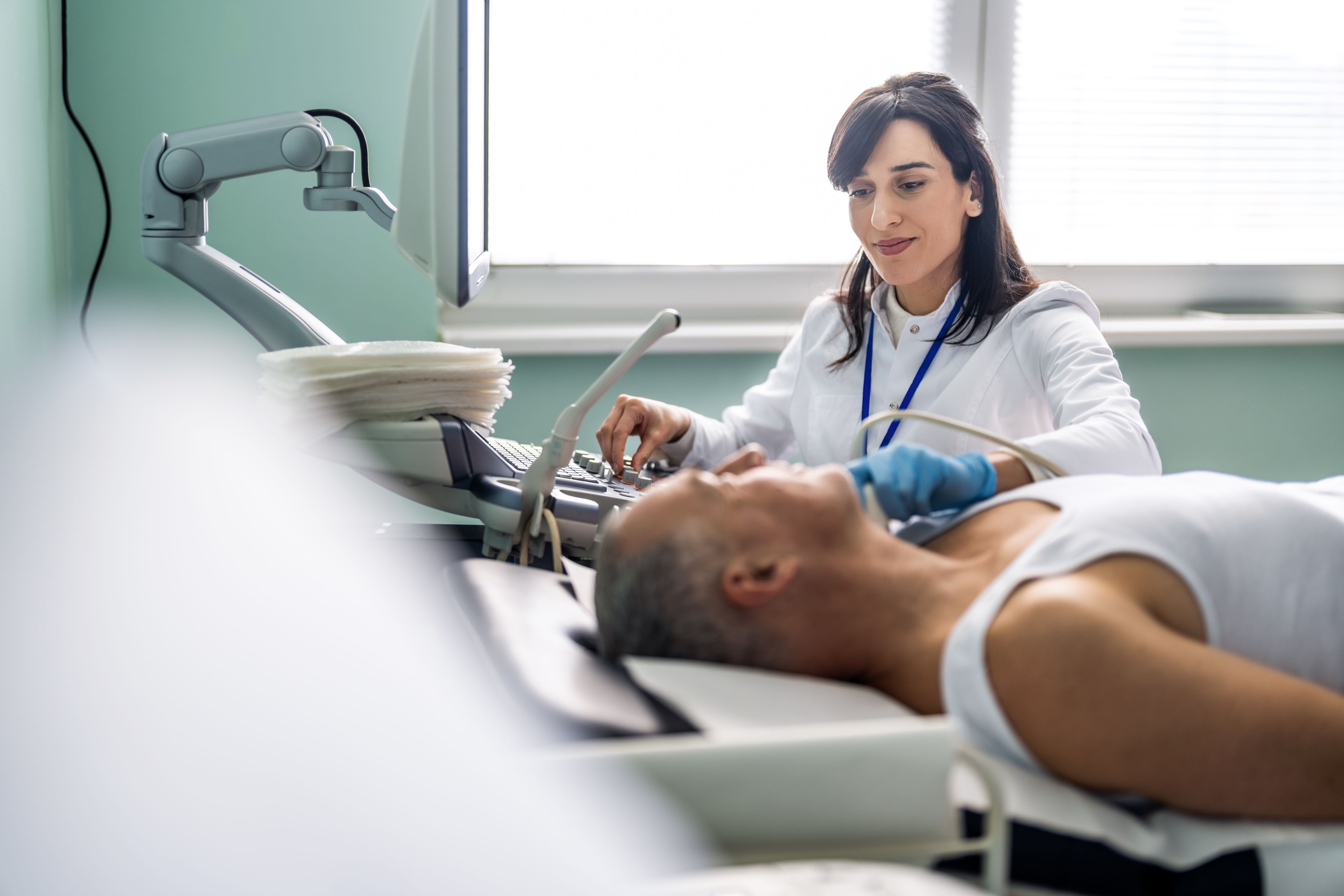
Female doctor examining a patient's neck with equipment. Credit: ljubaphoto for Getty Images
Researchers at UCL Eastman Dental Institute, supported by UCLH teams, are trialling an innovative new treatment for dry mouth caused by radiotherapy treatment for head and neck cancer.
Once thought of as irreversible, clinical dry mouth, known as ‘xerostomia’, is caused by damage to salivary glands during radiotherapy and can reduce quality of life by impairing speech and causing difficulty with eating.
Professor Stefano Fedele, the Head of Clinical Research and Programme Director, MSc in Oral Medicine at UCL Eastman Dental Institute, is leading the AQUAx2 study research. Spanning the UK, US and Canada, this trial uses a viral vector to deliver the hAQP1 gene to damaged salivary glands.
This test of the gene therapy AAV2-hAQP1 offers a single-dose solution to restore moisture to the mouth and reduce the symptoms of dry mouth as the gene helps the glands transport water into the mouth.
Professor Fedele said: “I am incredibly proud to be part of this research. It tackles an unmet need and offers UCLH patients a new regenerative medicine intervention that we hope will revolutionise the treatment of this debilitating, and so far considered irreversible, condition.”
Read the full story: Gene therapy offers hope to head and neck cancer survivors with radiotherapy-induced dry mouth
School librarians facing increased calls for censorship
UCL Arts & Humanities

A hand pulling a book out from a shelf. Credit: Pierre Bamin for Unsplash
A hand pulling a book out from a shelf. Credit: Pierre Bamin for Unsplash
Research by Dr Alison Hicks (UCL Information Studies) has shed light on increasing calls for book censorship within UK school libraries and the impact censorship requests have upon school librarians.
Through interviews with 10 UK school librarians who had been asked to censor materials, the research found that most requests for books to be removed were made by parents and carers.
Almost all censorship requests related to books exploring LGBTQ+ themes, while in the US such requests are often targeted at books exploring race, ethnicity and social themes in addition to LGBTQ+ themes. Vandalism by school pupils in the form of hiding, ripping and annotating books with derogatory wording was also an issue for some of these UK schools.
Managing these challenges often resulted in considerable additional emotional labour for the library workers involved. Those who sought support with handling these issues often struggled to easily access resources and guidance.
“For professional organisations, the depth of misunderstanding by school senior leadership teams indicates that work challenging book bans needs to be integrated with broader school library advocacy campaigns”, Dr Hicks noted.
“In this age of digital exposure and misinformation, librarians play a more vital role than ever. We should trust them to do their jobs.”
Read the full story: Dr Alison Hicks’ research featured in the Guardian

Environmental justice in South Africa through indigenous knowledge systems
The Bartlett, Faculty of the Built Environment

Artwork collage of a woman sitting on a boulder next to a sketch of a human. Credit: Senzeni Marasela on the Pan African Space Station
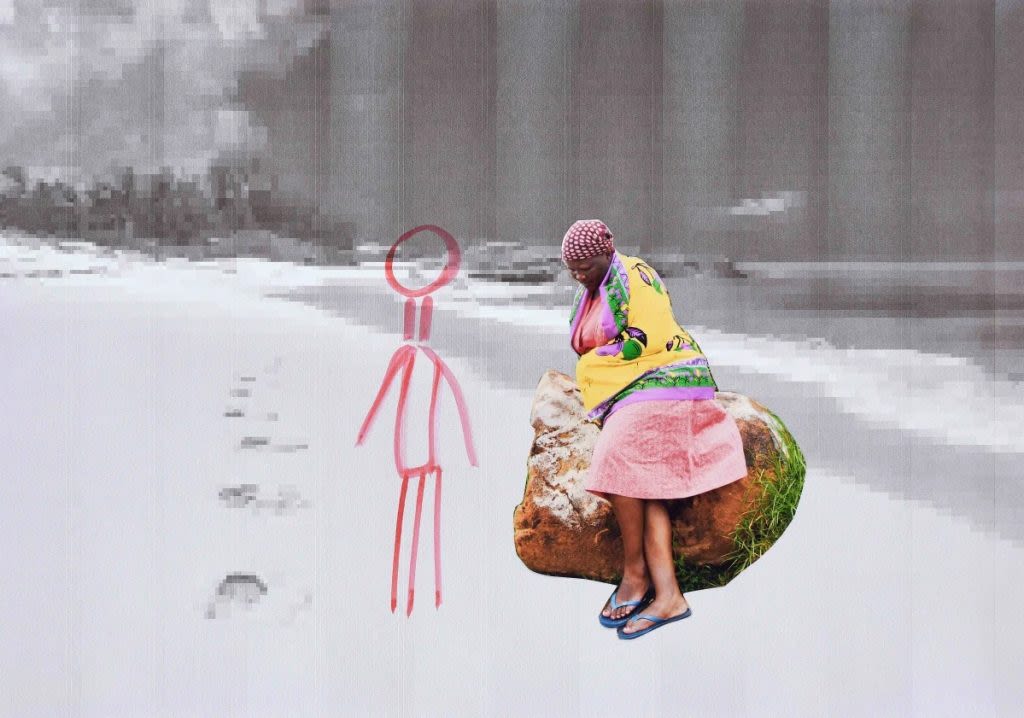
Artwork collage of a woman sitting on a boulder next to a sketch of a human. Credit: Senzeni Marasela on the Pan African Space Station
A series of experimental workshops supported by The Bartlett School of Architecture is bringing together artists and cultural practitioners to explore indigenous knowledge systems and environmental repair.
The workshops, led by Dr Mpho Matsipa, Associate Professor and Co-Director of Spatial Justice at The Bartlett School of Architecture, are part of an experimental research series called After Extraction.
Taking place in Johannesburg, After Extraction partners with the pan-African publishing platform Chimurenga. Through the lenses of Black feminist thought and methods of artistic response and indigenous knowledge, the initiative explores legacies of extraction in Southern Africa while imagining a new future.
The first sessions took place in July, with a day-long, intergenerational Umcimbi – a Black intergenerational gathering where all attendees are contributors – at the Pan African Space Station.
Another session included an intimate performance lecture featuring artist Senzeni Marasela in conversation with Dr Mpho Matsipa, Dr Victoria Collis-Buthelezi (Director of JIAS) and poet Uhuru Phalaphala. This combined artistic practice with an exploration of land and displacement. The final event of this series will take place in October.
The work is vital towards creating spaces for important conversations about the history and impact of extraction within communities while imagining a future beyond extraction and colonial legacies.
Read the full story: Dr Mpho Matsipa Leads Experimental Workshops on Environmental Justice in South Africa


Portico magazine features stories for and from the UCL community. If you have a story to tell or feedback to share, contact advancement@ucl.ac.uk
Editor: Lauren Cain
Editorial team: Ray Antwi, Laili Kwok, Harry Latter, Bryony Merritt, Lucy Morrish, Alex Norton
Shorthand presentation: Harpoon Productions
Additional design support: Boyle&Perks
Follow UCL


 Built with Shorthand